What Time is Best for a 1st Birthday Party? A Planning Guide
Planning a first birthday party is an exciting milestone for parents and families. After a year of watching your little one grow, their first birthday is a wonderful opportunity to celebrate with loved ones, take memorable photos, and enjoy a special day together. However, choosing the right time for the party can make a significant difference in how smoothly everything goes.
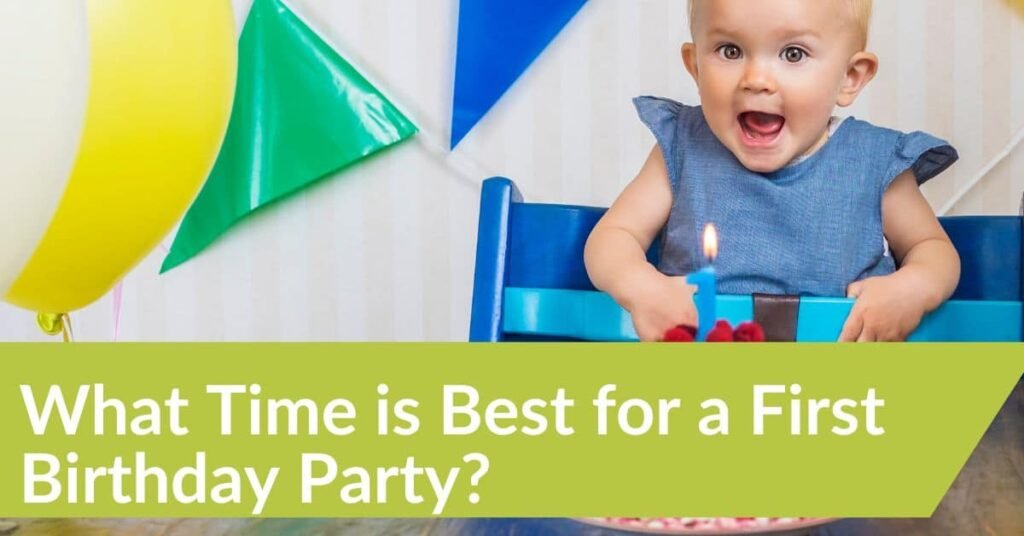
Unlike parties for older children, a first birthday celebration needs to accommodate naps, feeding times, changing moods, and the baby’s usual routine. You also want to choose a time that allows guests to attend comfortably and gives you enough opportunity to prepare the food, decorations, and activities.
For most families, mid-morning or late afternoon works well for a first birthday party. The ideal choice depends on your baby’s sleep schedule, the length of the celebration, and whether you plan to serve breakfast-style snacks, lunch, or dinner.
Here’s how to choose a party time that makes the day enjoyable for everyone, especially the birthday baby.
Best Time for a First Birthday Party
The best time for a first birthday party is usually when your baby is well-rested, recently fed, and ready to interact with familiar faces. For many families, that means planning the celebration between 10:00 and 11:30 a.m. or between 3:00 and 5:00 p.m.
Mid-morning is often a convenient option because babies may be energetic after waking up and having breakfast. It also leaves the afternoon available for naps and quiet family time. An afternoon celebration can be equally successful if your child typically wakes from their nap feeling refreshed.
Consider keeping the party relatively short. Around two hours is often enough for guests to arrive, enjoy refreshments, participate in a few activities, sing happy birthday, and take photographs. A longer event may be enjoyable for adults, but it can become tiring for a one-year-old.
Before choosing a time, think about what you want the celebration to feel like. A small gathering at home may require less planning than a party at a restaurant, banquet hall, or outdoor venue. The more complicated the arrangements, the more important it becomes to build preparation time into your schedule.
Ultimately, the best party time is not necessarily the most popular one. It is the time that works with your family’s routine while allowing guests to celebrate without unnecessary stress.
Setting the Date and Time for a First Birthday Party
Selecting a suitable date and time involves more than checking when family members are available. Your baby’s daily routine, the convenience of your guests, and the practical details of the venue should all influence your decision.
Start by identifying a few possible dates. If the birthday falls on a weekday, you might prefer the nearest weekend so relatives and friends have a better chance of attending. Once you have a date in mind, choose a time that balances your baby’s needs with your guests’ schedules.
Keeping Baby’s Schedule in Mind
Your baby’s sleep schedule should be one of the first things you consider when planning the celebration. At one year old, children can have different sleep patterns. Some still take two naps a day, while others are transitioning toward one longer midday nap.
A party that overlaps with your baby’s usual nap can lead to fussiness, crying, or a celebration that ends earlier than expected. Even if your child occasionally skips a nap, relying on that happening on their birthday may create unnecessary pressure.
Look at your baby’s routine over several ordinary days before choosing the party time. If your child is usually happiest shortly after breakfast, a morning event may be ideal. If they need a nap around that time, consider scheduling the celebration after they wake up.
Keep familiar routines as much as possible on the day itself. Offer meals and milk at their usual times, provide opportunities for rest, and make a quiet room available if your baby becomes overwhelmed.
It is also helpful to avoid filling every minute with activities. Your child may want to explore their presents, sit with a parent, or simply watch the guests. Those moments are perfectly normal and can become some of the sweetest memories of the day.
Accommodating Guests
Your guests’ availability is another important consideration, particularly if relatives are traveling from other areas or you are inviting families with young children.
Late mornings and afternoons often work well because they avoid very early starts and late finishes. Weekend celebrations can also make attendance easier for people who work during the week.
Consider the type of gathering you are hosting. A small family lunch may work best around lunchtime, while a casual party with friends could fit comfortably into a late-morning or afternoon window.
When sending invitations, clearly state the start and expected end times. This helps guests plan their journeys and prevents uncertainty about when the main activities will happen.
If many guests have children, ask whether the proposed time conflicts with common nap or meal periods. You do not need to accommodate every individual schedule, but a little flexibility can make the celebration more comfortable for everyone.
For guests traveling a long distance, sharing the schedule in advance can be especially helpful. Let them know when you expect to serve food and when the birthday cake will be presented so they can plan accordingly.
Other Things to Consider
Your venue, budget, weather, and preferred party style can also influence the ideal start time.
If you are hosting the celebration at home, you may have more flexibility to work around your baby’s routine. A rented venue, restaurant, or play space may offer limited booking slots, so check availability before finalizing the invitations.
Outdoor celebrations require additional planning. Morning events may be more comfortable in hot weather, while late-afternoon gatherings can offer softer light for photographs. Always consider the local forecast, shade, ventilation, and access to an indoor area if conditions change.
Think about your preparation time, too. Decorations, food, seating, and party favors can take longer to arrange than expected. If you are preparing everything yourself, choose a start time that gives you enough time to finish without rushing.
Finally, decide how much of the event should focus on the birthday baby. A simple celebration with cake, family photographs, and relaxed conversation may need very little scheduling. A larger party with games, entertainment, and a catered meal will benefit from a more detailed plan.
What is the Best Time for a 1st Birthday Party?
There is no single time that works for every one-year-old, but mid-morning and late afternoon are two practical choices for many families.
The right option depends on when your baby usually naps, how long you want the celebration to last, and what kind of food you plan to serve. Both time slots can create a relaxed, memorable event when planned around your child’s needs.
Mid-Morning
A mid-morning party, beginning around 10:00 or 10:30 a.m., is an excellent choice for babies who wake up early and are usually cheerful after breakfast.
This time allows guests to arrive, socialize, and enjoy snacks before the main birthday activities begin. You can schedule photographs, cake time, and present opening before your baby starts showing signs of tiredness.
Morning celebrations are especially convenient for families who want to finish early and preserve the afternoon for a nap. They can also work well for outdoor gatherings during warmer months, when temperatures may rise later in the day.
For a mid-morning party, consider serving a light selection of breakfast-inspired foods and snacks. Mini sandwiches, fruit prepared safely for young children, small savory bites, and pastries for adults can provide plenty of variety without requiring a formal meal.
There is one important consideration: your baby’s nap schedule. If your child usually becomes sleepy around 10:30 a.m., starting the party at that time may not be ideal. You could move the event earlier or choose an afternoon slot instead.
A morning celebration is best when it feels like a natural extension of your baby’s normal day rather than a reason to change the routine dramatically.
Late Afternoon
A late-afternoon party, starting around 3:00 or 3:30 p.m., can be a great alternative for babies who take a midday nap.
By beginning after your child has rested and had a suitable meal or snack, you may have a better chance of enjoying a cheerful, comfortable celebration. Guests can arrive during the afternoon, and the event can finish before the evening becomes too late.
This time works particularly well for casual birthday gatherings, garden parties in mild weather, or celebrations that include family members who prefer not to attend an early event.
You can serve tea-time refreshments, finger foods, and a birthday cake. If you expect guests to stay through dinner, however, plan a more substantial food selection or let everyone know what refreshments will be provided.
Be mindful of your baby’s evening routine. If bedtime is early, avoid extending the celebration too far into the evening. A tired child may find the noise, attention, and unfamiliar surroundings difficult to manage.
For outdoor parties, consider the season and local sunset time. Ensure that the venue has suitable lighting and comfortable seating if the event may continue into the evening.
Choosing Party Menu Based on Start Time
The food you serve should match the timing and style of your celebration. A morning gathering may call for light breakfast foods and snacks, while an afternoon party can feature savory bites, small sandwiches, and desserts.
You do not need an elaborate menu to make a first birthday party special. A few well-prepared options, presented neatly and served at convenient times, are often enough.
Consider the ages and dietary needs of your guests, including children with food allergies or restrictions. If you are hosting a large gathering, label foods that contain common allergens and keep baby-friendly options separate from foods that are unsuitable for young children.
Finger Foods and Snacks for All Ages
Finger foods make parties easier to manage because guests can serve themselves while socializing. They are particularly useful when you want to avoid a formal sit-down meal.
For a morning celebration, you might offer:
- Mini sandwiches with simple fillings.
- Small muffins or pastries for adult guests.
- Soft fruit prepared in age-appropriate pieces.
- Scrambled eggs or other suitable breakfast foods.
- Yogurt served in individual portions.
For a late-afternoon party, consider mini wraps, small savory pastries, bite-sized sandwiches for older children and adults, vegetable dishes, and simple desserts.
When preparing food for your one-year-old, do not assume that everything described as finger food is safe. Whole grapes, whole nuts, popcorn, hard raw vegetables, hard sweets, and chunks of sausage or cheese can present choking risks. Prepare foods in shapes and textures appropriate for your child’s development, and supervise eating closely.
Babies should always eat while seated upright and directly supervised by an attentive adult. Avoid offering food while your child is crawling, walking, or playing.
Keep hot foods at safe temperatures and chilled foods refrigerated until serving. If you are hosting outdoors, avoid leaving perishable dishes in warm conditions for extended periods.
It is also helpful to offer water for your baby and provide their usual milk feeds according to their routine. A party should not interfere with regular feeding needs.
Special Treats for the Birthday Baby
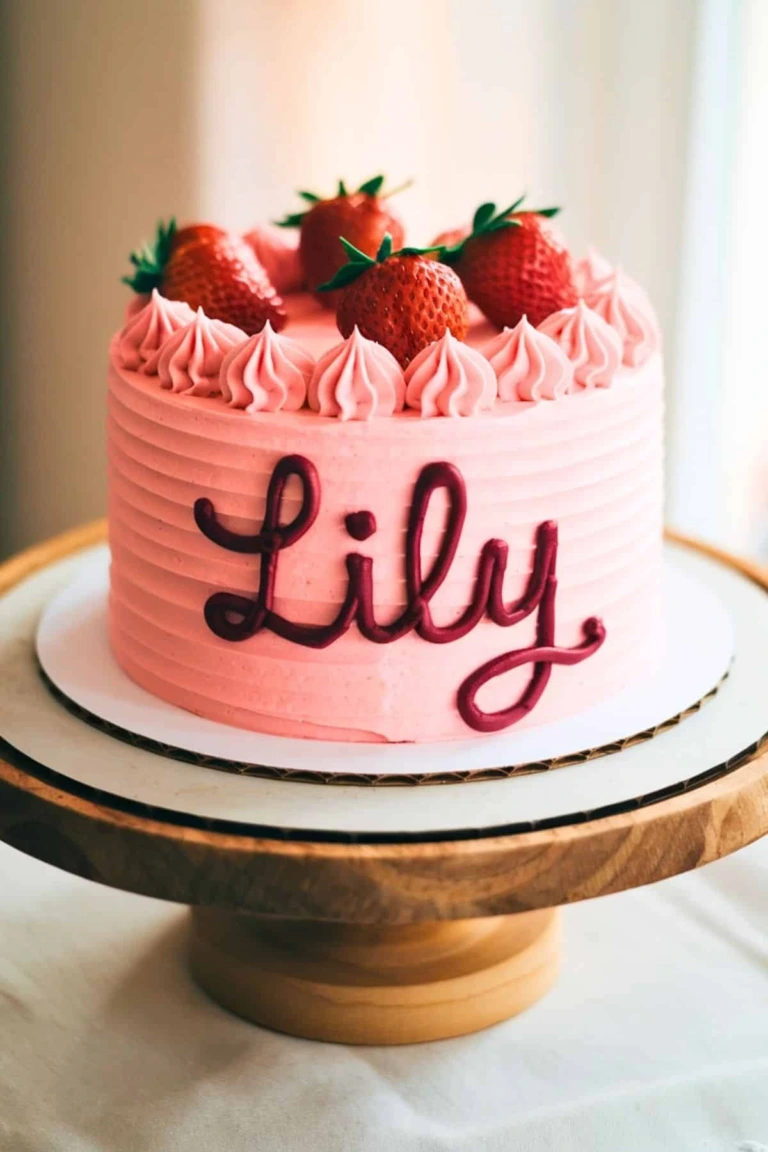
The birthday cake is often one of the most anticipated parts of a first birthday celebration. Many parents choose a small cake for the baby, sometimes called a smash cake, so their child can explore the frosting and cake while guests take photographs.
You can also serve a soft cupcake or another simple treat if that suits your preferences. There is no need to make the cake complicated. A familiar flavor and a manageable portion may be all you need.
Pay attention to ingredients. Honey should not be given to babies younger than 12 months because of the risk of infant botulism, so if you plan to use honey in the cake, wait until your child has actually reached their first birthday.
Avoid hard decorations, whole nuts, large pieces of firm fruit, and other choking hazards. Keep candles, matches, and hot cake decorations away from the baby. An adult should handle the candles and remove them before the child touches or eats the cake.
If your baby has known food allergies or has not yet tried certain ingredients, choose a cake made with familiar ingredients and check with their healthcare professional when you are uncertain about introducing a new food.
You may also want to offer alternatives for guests who cannot eat dairy, eggs, wheat, or other ingredients. A simple fruit platter prepared safely, suitable baked treats, or clearly labeled desserts can help everyone feel included.
Most importantly, do not expect your baby to eat the cake or perform for the camera. Some children enthusiastically dig in, while others prefer to watch. Both reactions are completely normal.
First Birthday Party Schedule of Events
A simple schedule helps the celebration run smoothly without making the day feel overly structured. For a two-hour party, allow time for guests to arrive, eat, socialize, and enjoy the birthday activities.
Here is an example of a mid-morning celebration beginning at 10:30 a.m.
| Time | Activity |
|---|---|
| 10:30 a.m. | Guests arrive and greet the family |
| 10:45 a.m. | Serve snacks and refreshments |
| 11:00 a.m. | Take family and birthday photographs |
| 11:15 a.m. | Enjoy a short game or relaxed activity |
| 11:30 a.m. | Bring out the birthday cake and sing |
| 11:45 a.m. | Take cake photos and offer suitable treats |
| 12:00 p.m. | Open a few presents or let guests socialize |
| 12:30 p.m. | Begin wrapping up the celebration |
You can adjust this schedule to suit your baby’s routine and your party plans. For an afternoon celebration, shift the activities to begin after your child’s usual nap.
Keep the most important activities flexible. If your baby needs a feed, becomes tired, or wants time away from the crowd, pause the schedule rather than trying to push through it.
You may also choose to open gifts after the guests leave. This can make the party less hectic and gives you time to enjoy each present without managing a large group at once.
If you are hiring entertainment or using a venue, communicate the schedule to the relevant people in advance. Letting everyone know when the cake will be served can help you coordinate photographs, food, and other activities.
A good schedule provides direction, not pressure. The goal is to create opportunities for happy moments rather than make the baby follow a strict timetable.
Other Party Planning Considerations
Choosing a suitable time is only one part of planning a successful first birthday. Your location, theme, entertainment, guest list, and preparation arrangements can all affect the experience.
Try to prioritize the elements that matter most to your family. A beautiful celebration does not need to be expensive or elaborate. A comfortable environment, familiar people, and a few thoughtful details can make the day meaningful.
Location and Theme
Your venue should offer enough space for guests to sit comfortably, eat, and interact with the birthday baby. Consider whether you need high chairs, a changing area, a quiet place for naps, and convenient access to a bathroom.
Hosting the party at home can make it easier to maintain your baby’s routine and prepare food in advance. A restaurant or rented hall may reduce the amount of cleaning and setup you need to handle, although you may have less control over the schedule.
For outdoor parties, check the weather forecast and arrange shade, drinking water, and an alternative indoor space if possible. Make sure the area is safe for a baby who may be crawling, pulling up, or taking early steps.
Your theme can be as simple or creative as you like. Popular ideas include animals, storybook characters, flowers, colorful balloons, and soft pastel decorations. You could also choose a theme based on your child’s favorite toy or a color scheme that looks lovely in photographs.
Keep decorations away from the baby’s reach when they could pose a risk. Deflated or broken balloons, small decorative pieces, loose strings, and accessible electrical cords can be dangerous. Secure decorations properly, and never leave a baby unattended around balloons.
It is also worth considering the venue’s noise level. A very loud environment may overwhelm a one-year-old, so keep music at a comfortable volume and provide a quieter area where your child can rest.
Activities and Entertainment
First birthday parties are usually more enjoyable when the activities are simple, short, and suitable for a wide range of ages.
At this stage, your baby may not understand organized games, but they can enjoy music, familiar faces, colorful objects, and opportunities to explore safely. Focus on experiences rather than expecting your child to participate in every planned activity.
Some ideas include:
- A small play area with age-appropriate toys.
- A family photo corner with safe decorations.
- A simple storytime with a favorite picture book.
- Gentle music and nursery games.
- A photo display showing memorable moments from the baby’s first year.
- A guest message book where friends and relatives can leave birthday wishes.
If older children are attending, provide separate activities that match their ages. Coloring sheets, simple puzzles, or a supervised play area can keep them occupied while adults socialize.
You can also ask guests to share a favorite memory or a wish for the birthday baby’s future. This creates a personal touch without requiring elaborate entertainment.
Avoid overstimulating the child with too many activities, loud music, or constant handling by guests. Give your baby opportunities to stay close to familiar caregivers and take breaks whenever necessary.
A professional entertainer is optional. For a small gathering, family interaction and a few thoughtful activities may be more than enough. If you hire someone, make sure their performance is suitable for very young children and does not overwhelm the space.
Overwhelmed by First Birthday Planning? Start Here.
Planning your baby’s first birthday can feel like a big responsibility, especially when you want everything to be perfect. The easiest way to manage it is to start with the essentials and add details only when you have time and energy.
First, choose a date and a party time that fit your baby’s normal sleep and feeding schedule. For many families, a mid-morning celebration around 10:00 or 10:30 a.m. or an afternoon party around 3:00 or 3:30 p.m. is a practical starting point.
Next, decide how many people you want to invite and where the party will take place. A small gathering at home can be just as memorable as a larger event at a rented venue. Once you know the guest count and location, you can estimate the food, seating, decorations, and budget you will need.
Keep your menu manageable. Select a few refreshments for guests, provide suitable food and drinks for your baby, and plan a cake or other birthday treat. Prepare as much as possible ahead of time so you are not spending the entire celebration in the kitchen.
Create a simple schedule that includes arrivals, refreshments, photographs, and cake time. Leave room for unexpected naps, feeding breaks, and changes in mood. Babies do not always follow the plan, and that is perfectly fine.
Finally, remember why you are celebrating. Your child’s first birthday marks an important year of growth, learning, and family memories. You do not need flawless decorations, an expensive cake, or a packed entertainment schedule to make the occasion special.
Choose a time when your baby is likely to be comfortable, invite the people who matter most, and give yourself permission to enjoy the day. The best first birthday party is one where your family can celebrate this milestone together without putting too much pressure on the details.