The Ultimate Guide to Throwing an Amazing Baby Shower
Planning a baby shower is an exciting opportunity to celebrate a growing family and bring loved ones together before the baby’s arrival. Whether you’re organizing an intimate gathering at home or a larger celebration at a beautiful venue, thoughtful planning can turn an ordinary party into a memorable experience.
A successful baby shower doesn’t require an enormous budget, elaborate decorations, or an overwhelming schedule. What matters most is creating a welcoming atmosphere where expectant parents feel appreciated, guests enjoy themselves, and everyone shares in the excitement of welcoming a new baby.
From choosing a theme and preparing invitations to organizing games, food, decorations, and gifts, this complete baby shower planning guide covers everything you need to create a celebration that feels personal, organized, and enjoyable.
Top Baby Shower Tips + Hosting Hacks
The secret to hosting a wonderful baby shower is making practical decisions early. A few smart planning strategies can save money, reduce last-minute stress, and make the event more comfortable for everyone.
1. Choose a Theme Before Anything Else
Selecting a theme early gives your celebration a consistent direction. It helps narrow down decisions about invitations, decorations, table settings, desserts, and party favors.
For example, a garden-inspired shower might feature fresh flowers, soft colors, and delicate desserts, while a woodland theme could include natural textures, forest animals, and earthy decorations.
Your theme doesn’t need to be complicated. Even a simple color combination can create a coordinated appearance.
Choose something that reflects the expectant parents’ personalities rather than following a trend simply because it’s popular.
2. Plan With the Mom-to-Be’s Comfort in Mind
The guest of honor should feel relaxed throughout the celebration.
Pregnancy can bring fatigue, physical discomfort, and changing energy levels, so consider these needs when making arrangements.
Provide comfortable seating, easy access to restrooms, plenty of drinking water, and a manageable event schedule.
Avoid expecting the mom-to-be to stand for long periods, participate in every activity, or open dozens of gifts without a break.
Ask about her preferences before planning surprises, particularly when it comes to guest lists, food, photographs, and party games.
3. Keep Food Simple and Easy to Serve
Baby shower menus work best when guests can enjoy food without complicated serving arrangements.
Finger foods, individual desserts, sandwiches, fruit platters, and bite-sized appetizers are practical choices.
A buffet or grazing table allows guests to eat at their own pace while reducing the need for formal table service.
Include vegetarian options and consider allergies, dietary restrictions, and pregnancy-related food safety.
Choose dishes that can be prepared ahead of time so you aren’t spending the entire celebration in the kitchen.
4. Use a Simple Planning Timeline
Organizing everything at once can quickly become overwhelming.
Instead, divide preparations into manageable stages. Begin with major decisions such as the date, budget, venue, and guest list.
Once those details are confirmed, move on to invitations, decorations, entertainment, and food.
Leave final shopping, setup, and food preparation until closer to the event.
A written timeline keeps responsibilities clear and helps prevent forgotten tasks.
5. Let Decorations Work Double Duty
Decorations can serve practical purposes while making the venue look beautiful.
A decorated dessert table can become a photo backdrop, while attractive baskets can hold favors or game supplies.
Use baby books, stuffed animals, or storage baskets as centerpieces that the parents can take home afterward.
This approach reduces unnecessary spending and prevents decorations from becoming waste after the celebration.
Baby Shower Planning Checklist
A baby shower checklist makes organizing the event easier by breaking preparation into clear steps.
Use this timeline as a flexible starting point, adjusting it according to your venue, guest count, and available planning time.
✅ 6–8 Weeks Before
- Speak with the expectant parents about their preferences.
- Choose a suitable date and approximate event duration.
- Establish a realistic budget.
- Decide who will host and divide responsibilities.
- Prepare the initial guest list.
- Select a theme or color palette.
- Research venues and reserve one if necessary.
- Discuss whether the celebration will be co-ed or women-only.
- Confirm whether a baby registry or gift preference list is available.
At this stage, focus on decisions that affect everything else.
✅ 3–4 Weeks Before
- Send invitations with RSVP instructions.
- Finalize the venue arrangements.
- Decide on the menu and beverages.
- Arrange catering or begin planning homemade dishes.
- Choose games and activities.
- Order personalized decorations or supplies.
- Arrange tables, chairs, and additional equipment.
- Purchase or prepare game prizes.
- Create a rough event schedule.
Ordering customized items early gives you time to handle shipping delays or unexpected changes.
✅ 1–2 Weeks Before
- Follow up with guests who haven’t responded.
- Update the expected attendance.
- Confirm catering and other reservations.
- Purchase nonperishable food and party supplies.
- Assemble favors and decorations.
- Print games, signs, and activity cards.
- Prepare a music playlist.
- Organize serving dishes and utensils.
- Confirm who will take photographs.
- Review the plan with the expectant parents.
This is also a good time to assign someone to manage games and another person to assist with gifts.
✅ 1–2 Days Before
- Clean and organize the party space.
- Prepare decorations that can be assembled in advance.
- Shop for fresh ingredients.
- Refrigerate appropriate food and drinks.
- Set out serving equipment.
- Arrange tables and chairs.
- Prepare the gift area.
- Charge cameras and other electronic devices.
- Check the weather if the event is outdoors.
Avoid leaving complicated DIY projects until the night before the shower.
✅ Day Of
- Finish decorating the venue.
- Arrange food and beverages safely.
- Set up games and activity stations.
- Display favors and prizes.
- Test music and lighting.
- Welcome guests as they arrive.
- Follow the schedule without being overly strict.
- Keep water and comfortable seating available.
- Take photographs of important moments.
- Help the expectant parents collect gifts and personal belongings.
Most importantly, enjoy the celebration rather than worrying about every small detail.
Who Should Throw a Baby Shower?

Traditionally, baby showers were often hosted by friends or extended family members. Today, hosting arrangements are much more flexible.
A sister, cousin, close friend, coworker, parent, or group of relatives can organize the celebration.
Some expectant parents even choose to host their own shower, especially when they have a particular vision for the event.
The most suitable host is someone who has the time, willingness, and organizational ability to coordinate the gathering.
Hosting responsibilities can also be shared, making the planning process more affordable and manageable.
Modern Trends:
Modern baby showers increasingly reflect different family structures and lifestyles.
Joint celebrations allow both parents to participate, while virtual showers connect relatives who live far away.
Some families prefer small gatherings with close friends instead of large traditional parties.
Others organize practical celebrations focused on preparing meals, stocking essential supplies, or helping parents get ready for life with a newborn.
There is no requirement to follow one specific hosting tradition.
Who Should Be Invited?
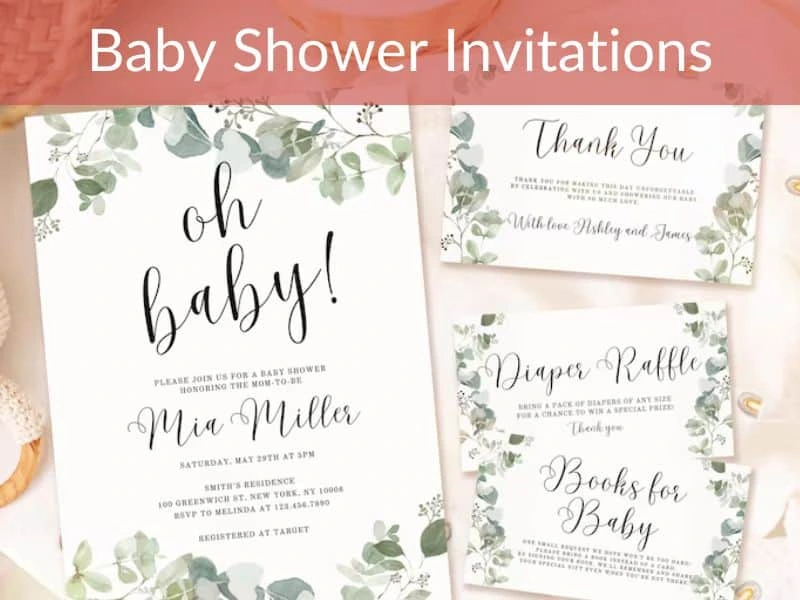
Creating the guest list is one of the most important parts of baby shower planning.
Begin by asking the expectant parents whom they would truly enjoy celebrating with.
Close relatives, friends, coworkers, neighbors, and other meaningful connections are common choices.
The number of guests should match the available space, budget, and preferred atmosphere.
An intimate shower might include 10 to 20 guests, while a larger gathering could welcome 40 or more.
Things to Keep in Mind:
Consider the relationship between guests and the expectant parents.
Avoid inviting people solely out of obligation, especially if doing so could create unnecessary tension.
Check the venue’s seating capacity and accessibility before finalizing attendance.
Remember that every additional guest affects food quantities, favors, seating, and overall expenses.
If children are welcome, mention this clearly on the invitation.
Special Considerations:
Families sometimes have complicated relationships, so handle sensitive guest-list decisions privately and respectfully.
If guests are traveling from another city, provide enough notice for transportation and accommodation arrangements.
For multicultural families, consider whether invitations, food choices, or activities should reflect different traditions.
When planning a surprise shower, confirm important preferences with someone who knows the expectant parents well.
Invitations: Key Details
A baby shower invitation should provide everything guests need to attend comfortably.
Include the names of the expectant parents, celebration date, start and end times, venue address, and RSVP deadline.
Mention the theme or dress code when relevant.
If there is a gift registry, include its information in a considerate way without making gifts seem mandatory.
Digital invitations are convenient and affordable, while printed invitations can feel more formal or sentimental.
Send invitations approximately four to six weeks before the event, allowing additional time for guests who need to travel.
When is the Best Time to Throw the Shower?
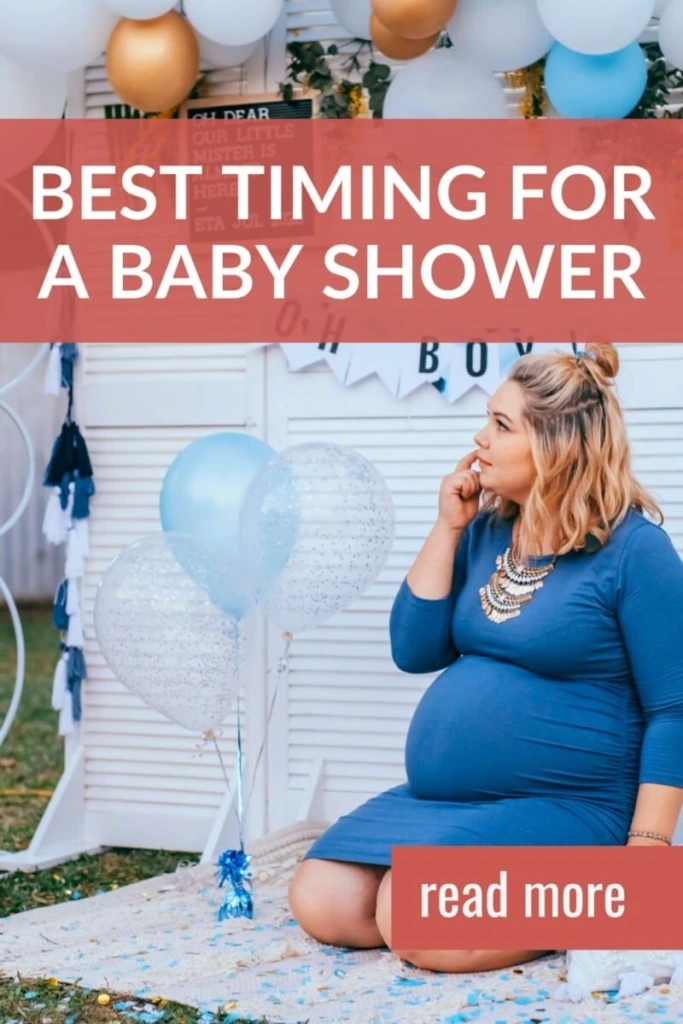
Many families schedule a baby shower during the third trimester, commonly between 28 and 34 weeks of pregnancy.
This timing allows the pregnancy to be well established while leaving some time before the expected delivery date.
However, the ideal date depends on the expectant parent’s health, energy levels, personal preferences, and circumstances.
A weekend afternoon is often convenient because guests may have fewer work commitments.
Considerations for Scheduling:
Choose a date that works for the guest of honor and the people whose attendance matters most.
Consider medical appointments, travel plans, holidays, religious observances, and seasonal weather.
Avoid scheduling the event too close to the due date when possible, since babies can arrive earlier than expected.
A daytime gathering lasting around two to three hours is often easier to manage than an extended evening celebration.
Alternative Timing Options:
Some families prefer celebrating earlier in pregnancy, particularly when travel or medical circumstances make later dates difficult.
Others organize a shower after the baby arrives.
Post-birth celebrations allow guests to meet the newborn, although the parents may need additional privacy and flexibility during recovery.
Virtual baby showers are another practical option when family members live in different locations.
Making Decisions: Theme, Food, Location
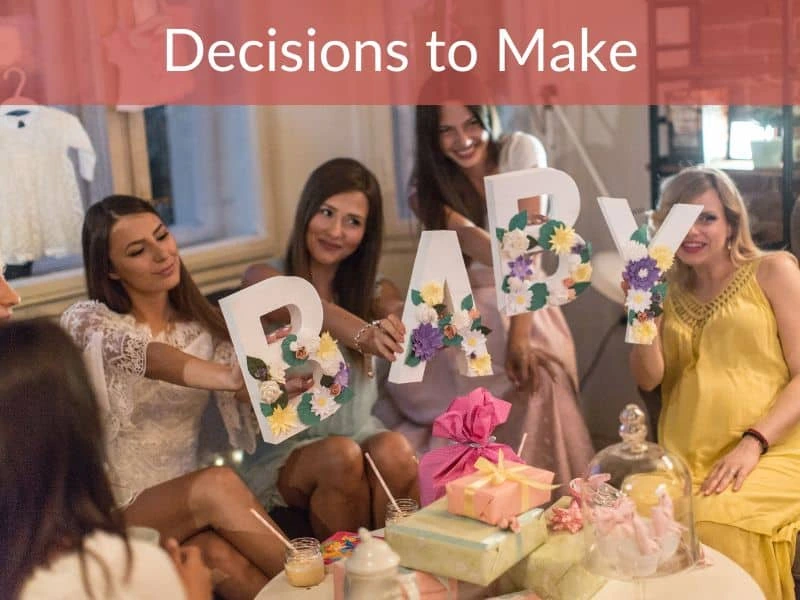
Every baby shower involves three major creative decisions: the theme, the menu, and the venue.
There isn’t one correct order for making these choices.
The best starting point depends on which element matters most to the expectant parents.
Choosing the Theme First
Starting with a theme works well when the family has a specific vision.
A floral shower, for example, naturally suggests garden-inspired decorations, pastel tableware, and delicate desserts.
Once the theme is established, choose a location and menu that complement it.
This method is especially useful when photographs and visual presentation are important.
Choosing the Venue First
Sometimes the venue determines the rest of the celebration.
If you already have access to a spacious backyard, community hall, or favorite restaurant, begin by considering what works best in that environment.
An outdoor location may suit a picnic or garden party, while a private dining room could inspire an elegant brunch.
Choosing the venue first also helps establish realistic limits for guest numbers and decorations.
Choosing the Food First
Food can become the central inspiration for a baby shower.
A breakfast-themed celebration might feature waffles, pastries, fruit, and coffee.
An afternoon tea shower could include small sandwiches, cakes, and tea selections.
A casual gathering might revolve around tacos, sliders, or a colorful grazing table.
Once the menu is decided, select decorations and a venue that support the dining experience.
Guidance for Decision-making:
Consider your budget, available planning time, guest preferences, and the expectant parents’ priorities.
If affordability matters most, begin with a convenient venue and simple menu.
If the celebration has a strong creative vision, choose the theme first.
If guests are enthusiastic about food, build the event around an enjoyable dining experience.
Whichever approach you choose, aim for consistency rather than unnecessary complexity.
Baby Shower Venue: Where Should You Hold the Event?
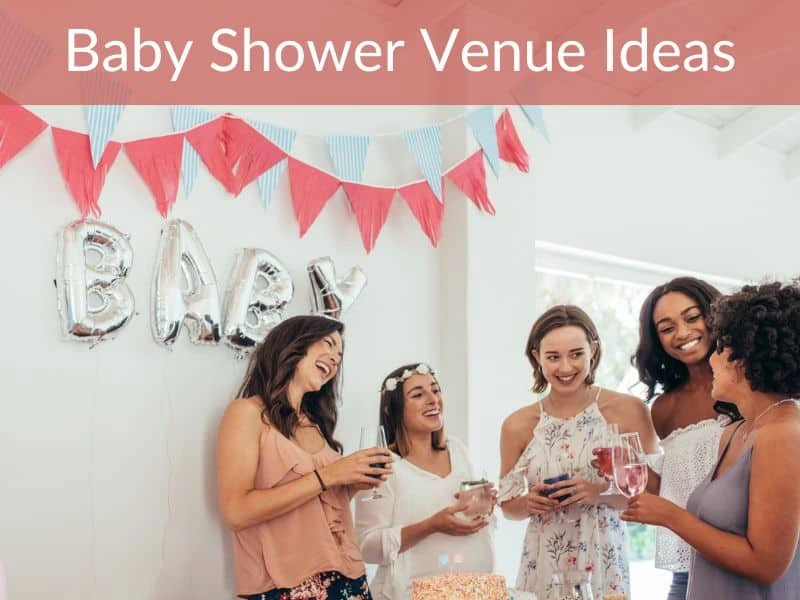
The right baby shower venue should accommodate guests comfortably while supporting the atmosphere you want to create.
Consider seating, parking, restroom access, weather protection, and the amount of decorating allowed.
1. At Home:
Hosting at home is often one of the most affordable and personal options.
A living room, dining area, or backyard can become a charming celebration space with thoughtful decorations.
Home gatherings provide flexibility with food, music, and scheduling.
However, consider whether there is enough room for guests and whether cleanup responsibilities will become overwhelming.
2. Outdoor Venues:
Gardens, parks, and outdoor patios create beautiful settings for nature-inspired showers.
Natural scenery can reduce the amount of decoration needed.
Plan for shade, comfortable seating, restroom availability, and changing weather.
Check whether permits are required for public spaces.
Have an indoor backup plan or covered area in case of rain, extreme heat, or strong winds.
3. Community and Event Spaces:
Community centers, clubhouses, and private event rooms work well for medium-sized or large celebrations.
These venues may provide tables, chairs, kitchen facilities, and convenient parking.
Ask about rental periods, decoration restrictions, cleaning fees, and cancellation policies.
Confirm whether outside catering is allowed before making food arrangements.
4. Restaurants and Cafés:
Restaurants and cafés are excellent choices when you want to minimize food preparation and cleanup.
Private dining rooms can provide a comfortable atmosphere for smaller gatherings.
Brunch restaurants, tea rooms, and casual cafés are especially suitable for daytime showers.
Discuss group menus, minimum spending requirements, dietary accommodations, and whether decorations or games are permitted.
15 Most Popular Themes for Baby Showers
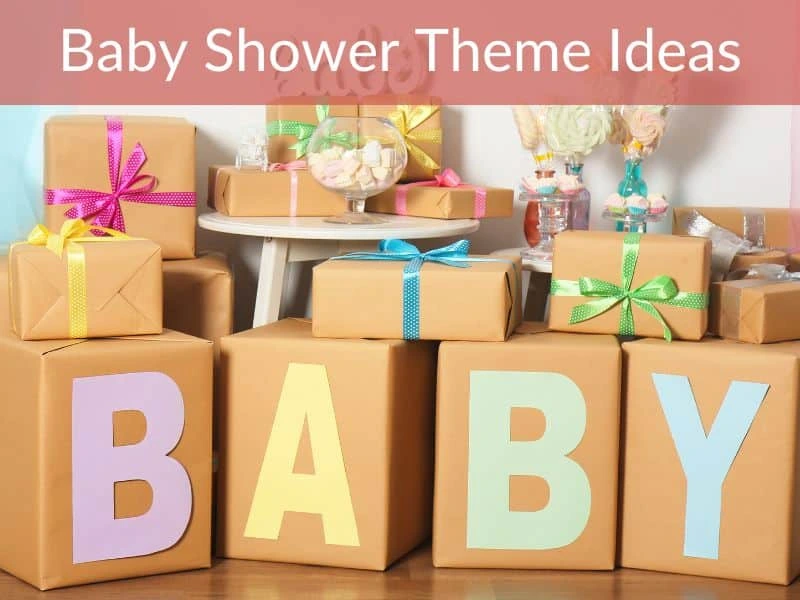
A baby shower theme brings personality to the celebration and makes decorating easier.
These popular ideas can be adapted to different budgets, seasons, and venue sizes.
1. Gender Reveal:
A gender reveal shower combines baby shower traditions with an announcement about the baby’s sex.
Use pink and blue accents, prediction cards, and a special reveal moment if the parents want one.
Keep the announcement optional and remember that some families prefer to keep this information private.
2. Woodland Adventure:
Create a cozy forest atmosphere with greenery, wooden details, pinecones, and adorable woodland animals.
Foxes, deer, rabbits, and bears make charming decorative elements.
Natural colors such as sage, cream, brown, and soft orange work particularly well.
3. Baby Animal Safari:
A safari theme features playful baby elephants, giraffes, lions, and zebras.
Combine animal illustrations with tropical leaves, neutral balloons, and earthy table settings.
Animal-shaped cookies and jungle-inspired cupcakes can complete the look.
4. Classic Storybook:
Celebrate childhood imagination with books, illustrated characters, and reading-inspired decorations.
Stack children’s books as centerpieces and invite guests to write messages inside books for the baby’s future library.
Choose original illustrations or appropriately licensed decorative artwork for personalized designs.
5. Nautical Adventure:
Bring seaside charm to the celebration with sailboats, anchors, ropes, and ocean-inspired colors.
Navy blue, white, and sandy beige create a classic palette.
Small boats, seashell accents, and striped table linens add character without requiring elaborate decorations.
6. Boho Chic:
A bohemian baby shower emphasizes soft textures and relaxed elegance.
Use pampas grass, woven baskets, dried flowers, macramé, and neutral fabrics.
Terracotta, cream, dusty rose, and muted green create a warm, modern atmosphere.
7. Sweet as Honey/Mama to Bee:
A honeybee theme is cheerful, playful, and easy to coordinate.
Decorate with yellow flowers, honeycomb shapes, tiny bees, and golden accents.
Honey-inspired desserts, bee-shaped cookies, and floral arrangements make attractive additions.
8. Outer Space:
Celebrate a little one’s arrival with planets, rockets, moons, and sparkling stars.
A navy, silver, and gold palette creates a dramatic space-inspired setting.
Add celestial cupcakes, planet decorations, and a starry photo backdrop.
9. Under the Sea:

Transform the venue into an underwater world with coral shapes, seashells, fish, and flowing blue fabrics.
Turquoise, lavender, seafoam green, and peach create a soft ocean palette.
Bubble-like balloons and ocean-themed desserts add playful details.
10. Floral Garden Party:
A floral garden party is timeless and versatile.
Decorate with fresh blooms, greenery, delicate tableware, and light-colored linens.
This theme works beautifully in gardens, patios, and bright indoor spaces.
Seasonal flowers can help keep decorating costs manageable.
11. Vintage Tea Party:
Create a charming afternoon celebration with floral teacups, lace details, tiered serving stands, and delicate pastries.
Offer a selection of teas, caffeine-free beverages, small sandwiches, and miniature cakes.
Soft background music and elegant invitations complete the atmosphere.
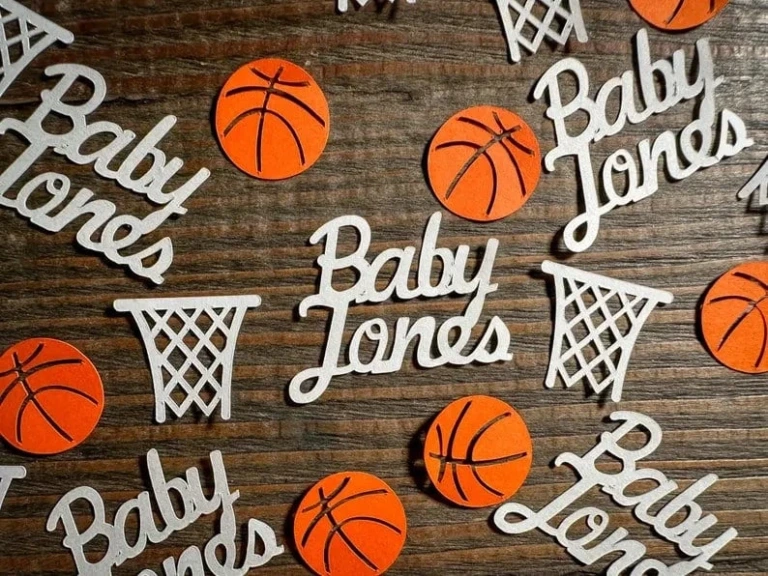
12. Sports Theme:
A sports-themed baby shower is ideal for families who love athletics.
Choose one favorite sport or combine several.
Decorate with miniature balls, jerseys, scoreboards, and team-inspired colors.
Activities can include friendly prediction games or simple sports challenges.
13. Little Pumpkin (Fall Theme):
A fall baby shower can embrace pumpkins, warm colors, and cozy seasonal details.
Use miniature pumpkins, dried leaves, plaid fabrics, and rustic wooden accents.
Pumpkin-flavored desserts, apple treats, and warm beverages suit the atmosphere.
14. Twinkle, Twinkle Little Star:
A celestial theme creates a dreamy atmosphere with moons, stars, and soft lighting.
Cream, pale blue, lavender, and metallic gold are attractive color choices.
Hang paper stars above tables and use a crescent moon backdrop for photographs.
15. Carnival/Circus:
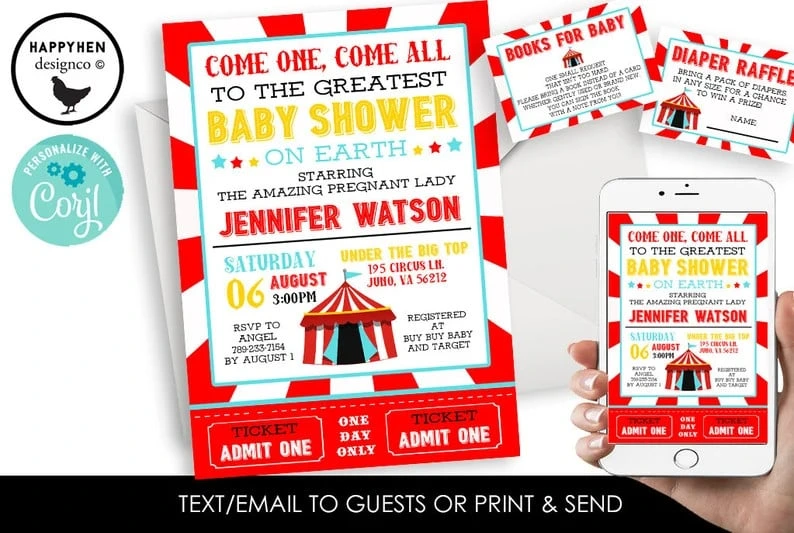
A carnival theme brings playful energy to the celebration.
Use striped decorations, colorful balloons, popcorn containers, and cheerful signage.
Set up small game stations and serve easy carnival-inspired snacks.
Choose pastel colors for a softer baby shower appearance or bright colors for a lively party.
Co-Ed Baby Shower or Women Only: Which is Best?

Deciding whether to host a co-ed or women-only baby shower depends on the expectant parents’ preferences, family traditions, and desired atmosphere.
Both formats can create meaningful celebrations.
Co-Ed Showers
Co-ed baby showers welcome guests of different genders, allowing both parents and their wider circle of friends to participate.
These celebrations often feel like relaxed family gatherings.
Activities might include team trivia, outdoor games, food stations, and group photographs.
Co-ed showers are particularly suitable when both parents want to celebrate equally with their friends and relatives.
Women-Only Showers
Women-only baby showers can provide a familiar setting for families who prefer traditional celebrations.
They may include close female relatives, friends, and coworkers.
Some expectant mothers appreciate the opportunity to discuss pregnancy, parenting, and personal experiences in a smaller group.
Neither option is inherently better. The most important consideration is what makes the guest of honor feel comfortable.
Baby Shower Attire: Casual or Dressy?
Baby shower clothing should match the venue, season, and overall style of the celebration.
A backyard gathering may call for comfortable casual outfits, while an afternoon tea or restaurant event might suit smart-casual clothing.
Formal dresses and coordinated outfits can work for an elegant celebration, but guests shouldn’t feel pressured to purchase expensive clothing.
If you have a particular dress code, mention it on the invitation.
For the expectant mother, comfort should come first. Breathable fabrics, supportive footwear, and clothing that allows easy movement are sensible choices.
A special outfit can make the occasion feel memorable without sacrificing comfort.
Baby Shower Agenda

A simple agenda helps the celebration flow naturally and ensures there is enough time for food, activities, gifts, and conversation.
The following schedule creates a gathering of a little over two hours.
1. Welcome and Arrival (15 minutes)
Greet guests as they arrive and direct them toward refreshments, seating, and the gift area.
Offer a welcome drink and allow everyone time to settle in.
Soft music can help create a relaxed atmosphere.
2. Introduction and Icebreaker (10 minutes)
Briefly welcome everyone and introduce guests who may not know one another.
A simple icebreaker, such as sharing a parenting tip or guessing the baby’s arrival date, can encourage conversation.
Keep this activity light and optional.
3. Food and Social Time (30 minutes)
Serve the main refreshments and allow guests to mingle.
A buffet works well because people can eat whenever they are ready.
Make sure the expectant parent has a comfortable place to sit and enjoy the meal.
4. Main Game: Diaper Raffle and “Guess the Baby Food” (20 minutes)
Announce the diaper raffle winner and organize a short baby food guessing challenge.
Guests can examine or taste appropriately prepared samples and identify the ingredients.
Offer a small prize to the participant with the most correct answers.
5. Gift Opening (30 minutes)
If the parents want to open gifts publicly, gather guests in a comfortable area.
Ask a helper to record gift details for thank-you messages.
Keep scissors, trash bags, and storage containers nearby.
If there are many presents, consider opening only a selection or skipping public unwrapping.
6. Dessert and Farewell (20-25 minutes)
Serve cake and other desserts.
Take group photographs and thank guests for attending.
Distribute party favors near the exit and help the expectant parents organize their belongings.
Tips for a Fun Baby Shower
A memorable baby shower should feel like a celebration rather than a tightly scheduled program.
The best events balance organized entertainment with enough time for meaningful conversations.
Choose activities that suit the guests, keep instructions simple, and avoid making anyone participate unwillingly.
Games & Activities: Fun for Everyone
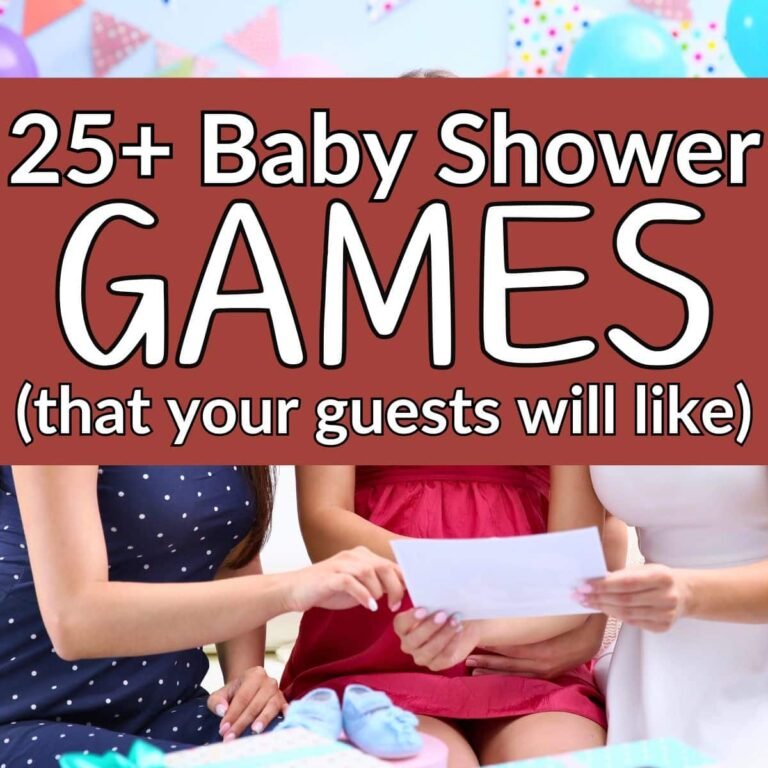
Baby shower games encourage interaction and create opportunities for laughter.
Choose two or three main activities instead of trying to fit every possible game into the schedule.
Include a mixture of seated games and creative stations so guests with different energy levels can participate comfortably.
Prepare supplies beforehand and explain each activity clearly.
Special Moments:
Not every meaningful moment needs to involve a game.
Consider inviting guests to write encouraging messages for the parents, contribute advice cards, or create a keepsake book.
A short speech from a close family member can make the occasion more personal.
You might also arrange a group photograph, a special toast with nonalcoholic drinks, or a memory-sharing activity.
Our Favorite Baby Shower Games

These entertaining baby shower games can be adapted for different group sizes and party styles.
1. Baby Bingo:
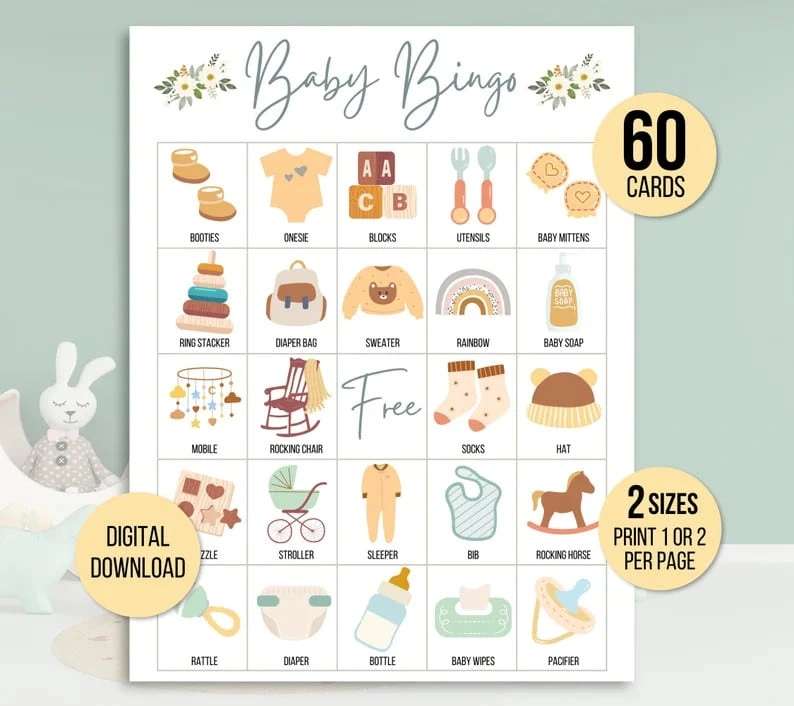
Give each guest a bingo card filled with baby-related items.
As gifts are opened or words are announced, participants mark matching squares.
The first person to complete a designated pattern wins.
This game works especially well during gift opening.
2. Diaper Raffle:
Invite guests to bring a package of diapers in exchange for a raffle entry.
Place the entries in a container and draw a winner during the celebration.
Mention participation details on the invitation and keep the raffle optional.
3. Guess the Baby Food:
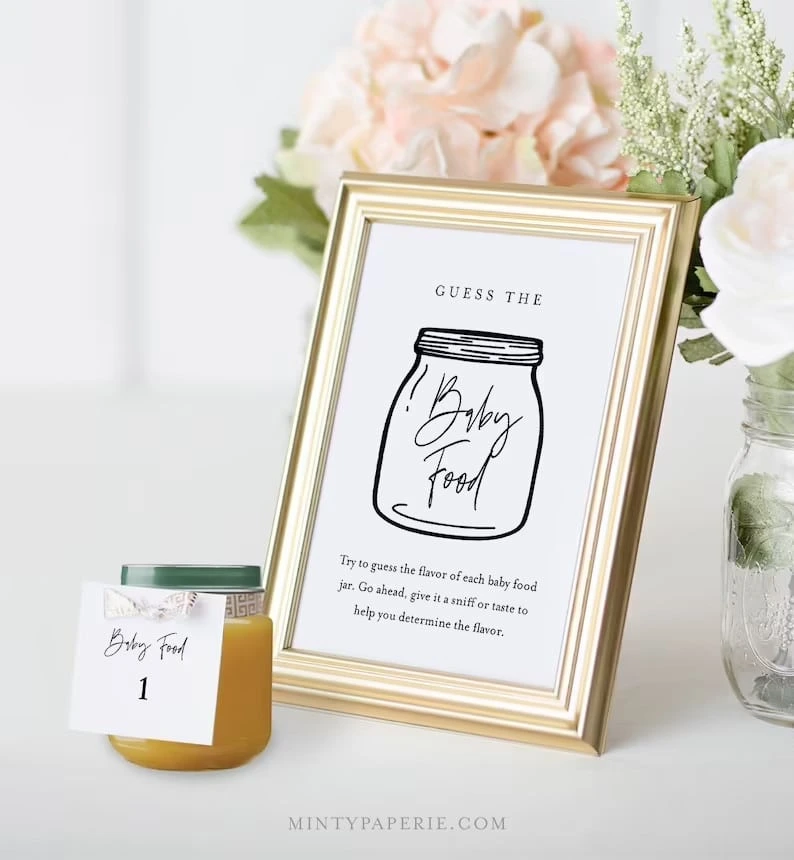
Prepare several numbered samples of commercially prepared baby food.
Guests examine the color, smell, or taste and try to identify the ingredients.
Use individual tasting utensils and clearly identify potential allergens.
The participant with the most accurate guesses wins.
4. Who’s That Baby?:
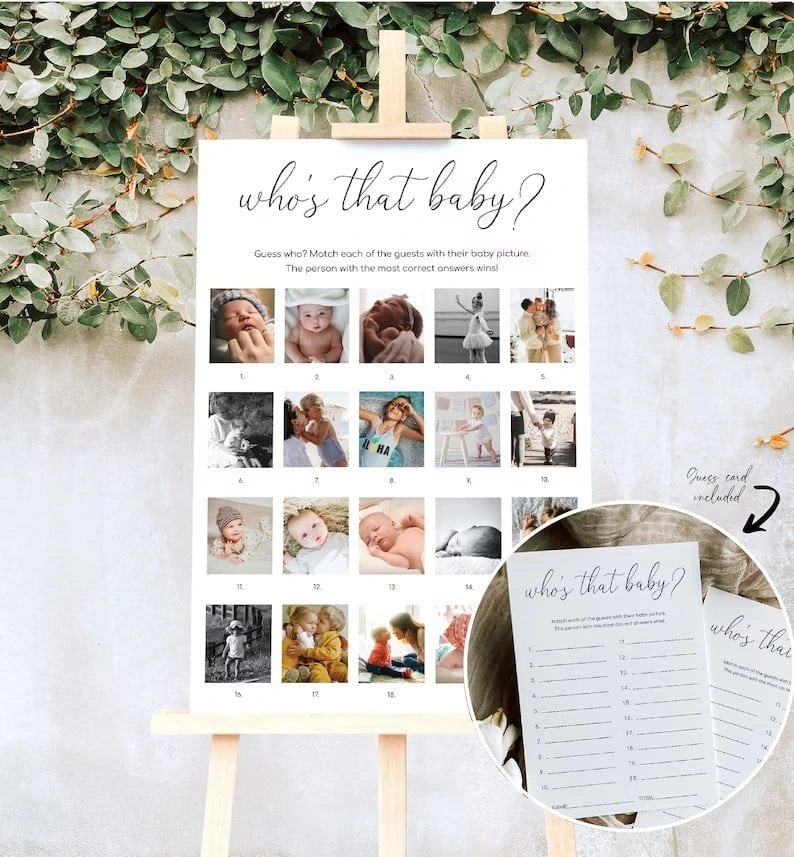
Ask guests to submit a childhood photograph before the party.
Display the pictures with numbers and give everyone a guessing sheet.
Participants try to match each photograph to the correct guest.
This activity often leads to amusing conversations and shared memories.
5. Baby Name Race:
Give participants a letter of the alphabet and a short time limit.
They must write as many baby names beginning with that letter as possible.
Award points for unique, valid names.
You can also challenge guests to create names using letters from the parents’ names.
6. Onesie Decorating Station:

Set up a creative table with plain baby onesies and fabric-safe decorating supplies.
Guests can add simple patterns, cheerful messages, or original illustrations.
Provide cardboard inserts to prevent colors from transferring between fabric layers.
Follow the product instructions for drying and washing before the baby wears the clothing.
7. The Price is Right:
Display several common baby products, such as wipes, bottles, diapers, and baby lotion.
Ask guests to estimate each item’s retail price.
The person whose guesses are closest to the actual prices wins.
Use current prices from a local store to keep the game fair.
8. Diaper Changing Relay:
Divide guests into teams and provide dolls, diapers, and changing supplies.
Each participant completes a pretend diaper change before passing the doll to the next teammate.
The fastest team to complete the challenge correctly wins.
This activity is especially entertaining for groups that enjoy friendly competition.
9. Mommy or Daddy?
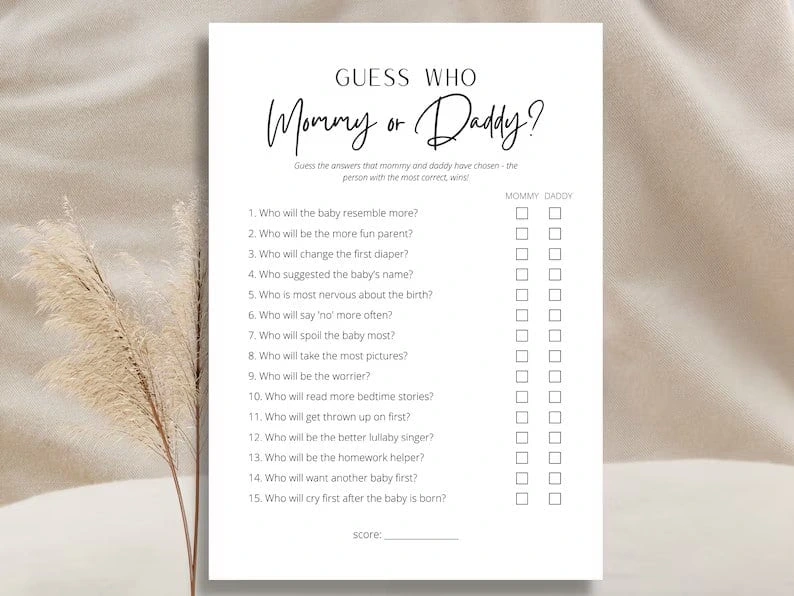
Prepare statements about the expectant parents, such as who is more likely to sing bedtime songs or who selected the nursery colors.
Guests guess which parent matches each statement.
The parents then reveal their answers.
For families with different parental arrangements, adapt the questions and wording accordingly.
10. Baby Predictions:
Provide cards where guests can predict the baby’s arrival date, weight, length, or other fun details.
Collect the cards in a keepsake box.
After the baby arrives, the family can revisit the predictions and see who came closest.
11. Baby Shower Pictionary:

Write baby-related words on individual slips of paper.
Participants take turns drawing the words while teammates guess within a time limit.
Possible prompts include stroller, teddy bear, baby bottle, and rocking chair.
No artistic skill is necessary, which makes the activity entertaining for everyone.
15. Baby Shower Mad Libs:
Create a short, original baby-themed story with missing words.
Ask guests to supply nouns, verbs, adjectives, and other word types without revealing the complete story.
Fill in the blanks and read the finished stories aloud.
The unexpected combinations often produce hilarious results.
Prize Ideas
Baby shower prizes don’t need to be expensive.
Consider scented candles, small plants, notebooks, chocolates, reusable mugs, bath products, or coffee gift cards.
Choose practical items that suit a variety of guests.
Attractive wrapping can make even a modest prize feel special.
More About a Diaper Raffle
A diaper raffle is a practical way to help expectant parents prepare for their baby’s needs.
If you plan to include one, ask the parents whether they have preferred diaper brands or sizes.
Encourage guests to bring different sizes rather than only newborn diapers, since babies grow quickly.
Explain that bringing diapers is voluntary and separate from any other gift.
You can also offer a raffle entry for a small contribution to a diaper fund when that arrangement suits the family.
Delicious Food & Drink Ideas for Your Baby Shower
A thoughtful baby shower menu should offer variety without creating unnecessary work.
Consider the time of day, guest count, dietary needs, and serving arrangements.
Aim for foods that are attractive, easy to eat, and practical to prepare.
Savory Snacks and Appetizers
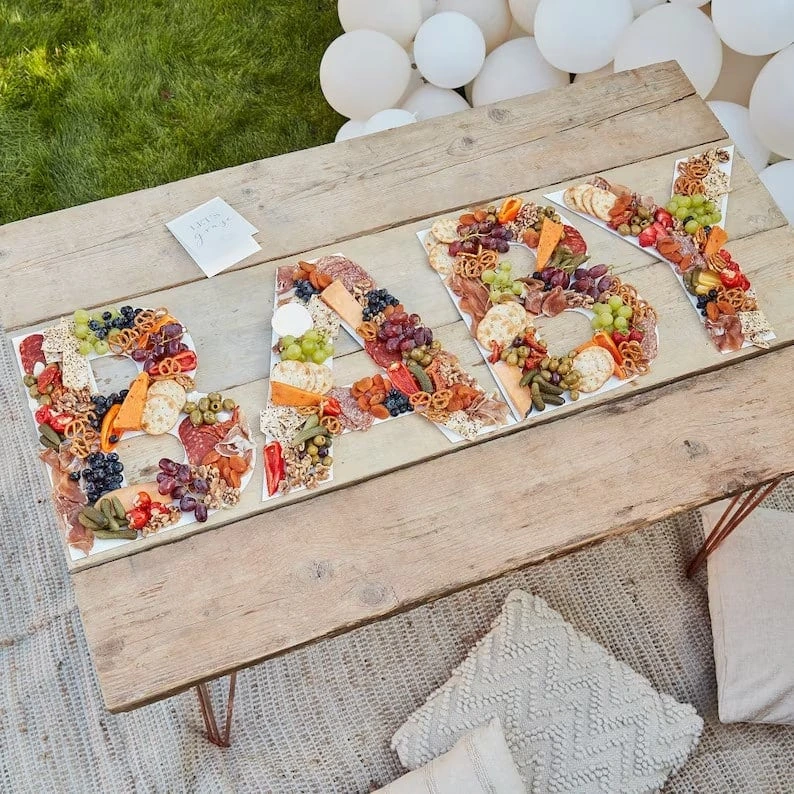
Savory finger foods are ideal for guests who prefer lighter portions.
Popular options include:
- Mini sandwiches with cooked fillings
- Vegetable wraps
- Baked chicken sliders
- Cheese and cracker platters
- Mini quiches
- Vegetable sticks with dips
- Stuffed pastry bites
- Pasta salad cups
- Roasted vegetable skewers
- Small portions of savory tartlets
For pregnancy-friendly catering, use pasteurized dairy products, thoroughly cooked meat and eggs, and properly washed produce.
Keep perishable foods refrigerated or appropriately heated until serving.
Sweet Treats and Desserts
Desserts can double as decorative elements.
Consider cupcakes decorated in theme colors, sugar cookies, mini cheesecakes, cake pops, brownies, or individual dessert cups.
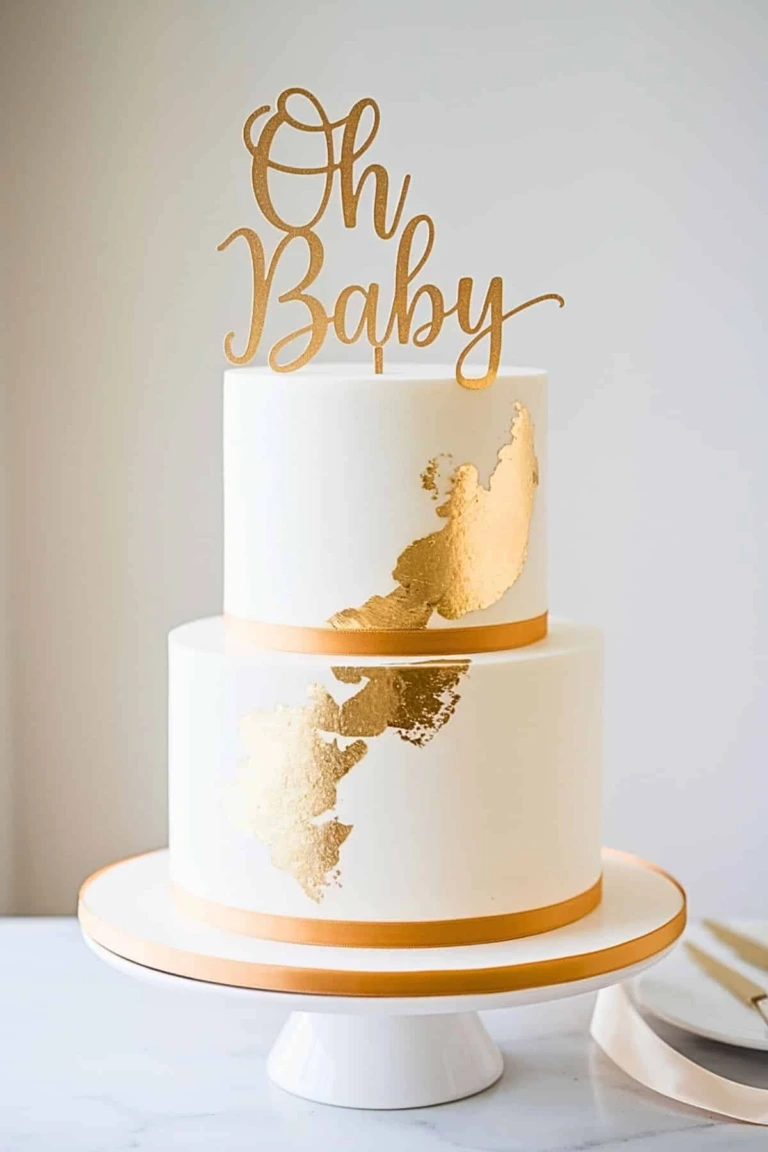
A centerpiece cake creates a natural focal point for photographs.
Fresh fruit platters and smaller dessert portions provide alternatives for guests who prefer lighter sweets.
Choose a manageable assortment rather than preparing too many varieties.
Drinks
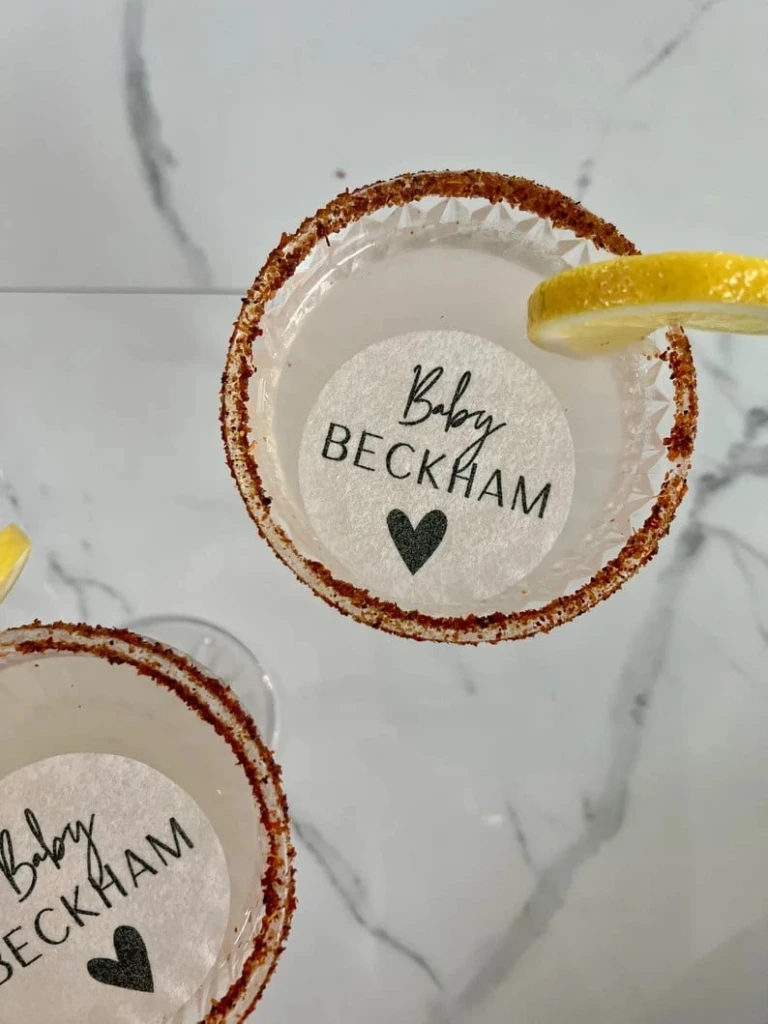
Offer several nonalcoholic beverages so everyone can enjoy the refreshments.
Suitable choices include sparkling water, fruit-infused water, lemonade, pasteurized juices, mocktails, and caffeine-free options.
Coffee and tea can also be available for guests.
Provide plenty of plain drinking water, particularly during warm weather.
Clearly label drinks when ingredients may not be obvious, and avoid assuming all herbal beverages are suitable during pregnancy.
Set Your Baby Shower Apart with These Decoration Ideas
Decorations help transform a simple space into a welcoming celebration.
The most effective arrangements usually focus on a few visually appealing areas instead of filling every corner.
Choose decorations that complement the theme, suit the venue, and stay within budget.
Balloon Arch or Garland

A balloon garland creates an attractive focal point behind the dessert table or guest-of-honor seating area.
Choose two to four complementary colors for a coordinated look.
Mix different balloon sizes to add dimension.
Secure balloons carefully and keep loose or broken pieces away from young children.
Themed Centerpieces
Centerpieces can include flower arrangements, baby books, decorative baskets, or small themed figures.
Keep arrangements low enough for guests to see one another across the table.
Consider using items the expectant parents can reuse afterward.
Table Settings
Coordinated table settings can make an ordinary dining area feel festive.
Use matching napkins, plates, tablecloths, and simple place cards.
Layering neutral linens with one accent color creates an elegant appearance without excessive decoration.
Photo Booth
Create a designated photography area with a backdrop, comfortable lighting, and a few themed props.
A fabric curtain, balloon display, or floral arrangement can provide a beautiful background.
Position the photo area away from busy food stations to prevent congestion.
Tablescape
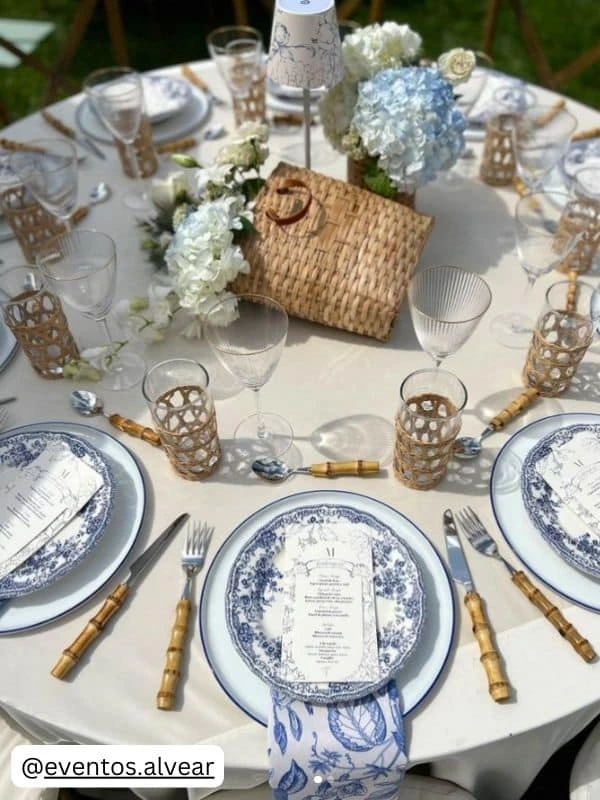
A tablescape combines linens, centerpieces, serving pieces, and decorative accents into one coordinated arrangement.
Use varied heights and textures to create visual interest.
Avoid placing large objects where they interfere with conversation or food service.
Dessert Table
A decorated dessert table can become the visual centerpiece of the shower.
Place the cake in the center or slightly elevated, then arrange smaller treats around it.
Use cake stands, coordinated serving trays, and clear food labels.
Leave enough space for guests to serve themselves comfortably.
Hanging Decorations
Paper lanterns, tissue pom-poms, lightweight stars, and hanging garlands can add interest above the party area.
Choose decorations that suit the room’s height and layout.
Secure everything properly and keep hanging items away from fans, lights, and open flames.
Outdoor Touch
Outdoor celebrations benefit from natural elements such as potted plants, flowers, woven baskets, and soft fabrics.
Use shaded seating areas and weather-resistant table decorations.
Battery-powered lights can create a warm atmosphere for late-afternoon events.
Personalized Touches

Personal details make the celebration feel unique.
Consider a welcome sign featuring the parents’ names, a display of family photographs, or a guestbook with handwritten wishes.
Custom signs can also identify food stations, activity areas, and gift tables.
Light Up Letters

Illuminated letters can create an eye-catching backdrop.
Spell out a short word, the baby’s name if it has been announced, or another meaningful message.
Rental letters may be more practical than purchasing large decorative pieces.
Check electrical safety and keep cords away from walking areas.
Favors Display
Arrange party favors on a small table near the exit.
Mini plants, wrapped cookies, handmade soaps, and small jars of treats are popular choices.
Add simple thank-you tags to make the gifts feel personal.
A coordinated display can also become part of the overall decoration.
Opening Gifts: Etiquette and Ideas
Gift opening is a traditional part of many baby showers, but it isn’t required.
Some expectant parents enjoy unwrapping presents while guests watch. Others prefer to spend that time socializing.
Discuss this preference before creating the event schedule.
If gifts will be opened publicly, provide comfortable seating and assign someone to record who gave each present.
Avoid comparing gifts or making guests feel uncomfortable about their spending.
Thank guests warmly, whether they bring an expensive item, a handmade present, or simply their presence.
After the shower, personalized thank-you messages are a thoughtful way to acknowledge everyone’s generosity.
Display Shower
A display shower is an alternative to traditional gift opening.
Guests bring gifts without elaborate wrapping, and the items are arranged on a designated table.
This allows everyone to see the presents while leaving more time for conversation and activities.
Mention the display format on the invitation so guests understand what to expect.
Include gift tags to help the parents identify who brought each item.
This option can also reduce wrapping paper waste and simplify cleanup.
Why Do We Throw Baby Showers for Expectant Parents?
Baby showers are celebrations of new beginnings.
They bring family members and friends together to support expectant parents emotionally and practically.
Historically, many communities have marked pregnancy and childbirth through gatherings, gifts, advice, and shared traditions.
Modern baby showers continue this spirit of support while reflecting individual family preferences.
Gifts such as clothing, diapers, blankets, and nursery essentials can help parents prepare for their baby’s arrival.
However, the emotional value of the gathering is just as important.
A baby shower gives loved ones an opportunity to offer encouragement, share experiences, and celebrate the family’s next chapter.
It can also remind expectant parents that they have a community ready to support them during the challenges and joys of parenthood.
Should You Throw a Shower After the First Baby?
Absolutely. Families can celebrate every new child if they wish.
Although traditional baby showers were often associated with first pregnancies, many parents now organize smaller gatherings for second or subsequent babies.
These celebrations are sometimes called baby sprinkles.
A baby sprinkle usually has a smaller guest list, simpler decorations, and a more relaxed atmosphere.
Instead of large nursery equipment, guests might bring diapers, wipes, clothing, or other everyday essentials.
Some families prefer a celebration without gifts.
A shower for a later baby can also be meaningful when there is a significant age gap between children, the family has moved, or the parents are welcoming multiples.
The celebration should reflect the family’s needs rather than an expectation to follow tradition.
More Baby Shower FAQs
How long should a baby shower last?
Most baby showers last approximately two to three hours. This provides enough time for refreshments, games, conversation, and gifts without exhausting the expectant parent.
How much does a baby shower cost?
Costs vary depending on the location, number of guests, menu, and decorations. A small home celebration can be organized with a modest budget, while a catered event at a rented venue will generally cost more. Establish a spending limit before booking anything.
Do baby showers need games?
No. Games are optional. Some families prefer conversation, food, photographs, and creative keepsake activities instead.
Should guests bring gifts?
Gifts are customary at many baby showers, but attendance should never depend on bringing a present. Hosts can make this clear through considerate invitation wording.
Can you have a baby shower without knowing the baby’s sex?
Yes. Neutral themes featuring animals, stars, greenery, storybooks, or seasonal decorations work beautifully.
Should the baby shower be a surprise?
Only when the expectant parent enjoys surprises. Otherwise, involving them in important decisions is usually more considerate.
Can children attend a baby shower?
Children can attend if the hosts and expectant parents are comfortable with a family-friendly gathering. Provide appropriate seating, refreshments, and simple activities when young guests are expected.
How many games should you plan?
Two or three structured games are usually enough for a typical shower. You can also provide optional activities that guests complete throughout the event.
Is a baby registry necessary?
A registry isn’t required, but it can help guests choose useful items and prevent duplicate purchases. Parents can also share general preferences without creating a formal registry.
Who pays for the baby shower?
The host or group of hosts traditionally covers the expenses, but arrangements vary. Discuss the budget and financial responsibilities clearly before making purchases.
Can a baby shower be held after the baby is born?
Yes. A post-birth gathering can be a wonderful option, provided the parents feel ready to host visitors and the baby’s health and comfort are prioritized.
Alternatives to a Traditional Shower:
Not every family wants a conventional baby shower with decorations, games, and gift opening.
Fortunately, there are plenty of meaningful alternatives.
- Baby sprinkle: A smaller celebration with close family and friends, often held for a second or subsequent baby.
- Virtual baby shower: An online gathering with games, conversations, and shared wishes for guests who cannot attend in person.
- Baby brunch: A relaxed morning or midday meal featuring breakfast favorites and casual conversation.
- Sip and see: A gathering after the baby’s arrival where loved ones can meet the newborn when the parents are ready.
- Diaper party: An informal event focused on helping parents stock up on diapers and other practical supplies.
- Nesting party: Friends and relatives help prepare the home by organizing baby supplies, assembling furniture, or completing practical tasks.
- Meal preparation gathering: Guests prepare freezer-friendly meals or organize a meal schedule to support the family after delivery.
- Family picnic: A casual outdoor celebration with simple food, comfortable seating, and minimal decorations.
- Blessing or well-wishing gathering: A meaningful occasion focused on encouragement, family traditions, supportive messages, and hopes for the baby’s future.
The best alternative is one that feels comfortable, helpful, and enjoyable for the parents.
Plan The Perfect Baby Shower!
An amazing baby shower isn’t measured by expensive decorations, an elaborate menu, or the number of guests attending. Its success comes from thoughtful planning, real connections, and making expectant parents feel loved and supported.
Start with the essentials: choose a convenient date, establish a realistic budget, create a guest list, and select a comfortable venue. Then build the celebration around a theme, food, and activities that reflect the family’s personality.
Use a planning checklist to stay organized, delegate responsibilities whenever possible, and leave room for spontaneous moments. Small personal touches, meaningful conversations, and practical support often become the most memorable parts of the day.
Whether you’re hosting a cozy gathering at home, a beautiful garden party, or a modern co-ed celebration, focus on creating a warm and welcoming experience.
With the right preparation and a little creativity, you can host a baby shower that celebrates the upcoming arrival while giving the parents wonderful memories to cherish.