
Pulling Curls Prenatal Class Review: A Friendly Guide for Expecting Moms
Pregnancy brings plenty of excitement, but it can also introduce questions that feel difficult to answer. From recognizing the first signs of labor to understanding what happens after delivery, expecting mothers often want reliable information before their baby arrives. A prenatal class can help make those unfamiliar experiences feel more manageable.
The Pulling Curls Prenatal Class, also known as The Online Prenatal Class for Couples, is designed to help expecting parents prepare for childbirth through convenient online lessons. Created by an experienced labor and delivery nurse, the program focuses on practical knowledge, realistic expectations, and informed decision-making.
But is this online childbirth course the right choice for your pregnancy journey? This Pulling Curls Prenatal Class review explores its content, instructor, benefits, limitations, and overall value to help you decide.
Key Takeaways
- Flexible online learning: Expecting parents can study childbirth preparation topics from home without attending scheduled classroom sessions.
- Experienced instructor: The course was developed by Hilary Erickson, a registered nurse with extensive labor and delivery experience.
- Practical childbirth education: Lessons emphasize hospital procedures, labor preparation, communication with medical professionals, and common delivery decisions.
- Partner involvement: The program encourages birth partners to understand their responsibilities and participate in childbirth preparation.
- Confidence through education: Parents can develop a clearer understanding of what may happen during labor and how to respond to different situations.
- Important considerations: Online learning may not provide the same hands-on demonstrations, personal interaction, or individualized medical guidance as an in-person class.
Overview of Pulling Curls Prenatal Class
Pulling Curls is a pregnancy and parenting education platform created by Hilary Erickson. Its online prenatal course helps expectant families understand childbirth, particularly the hospital labor and delivery experience.
Unlike traditional prenatal programs that require attending classes at specific times, this course allows participants to work through educational materials according to their schedules. This flexibility can be particularly useful for working parents, families with other children, or couples who live far from childbirth education centers.
The program takes a practical approach to birth preparation. Rather than presenting childbirth as a perfectly predictable event, it introduces common situations parents may encounter and explains how healthcare teams typically respond.
Its hospital-oriented perspective is especially relevant for parents planning to deliver in a medical facility. However, some of its educational principles can also benefit families exploring other birth settings.
Course Content
The course organizes childbirth education into manageable lessons intended to help parents understand the different stages of pregnancy preparation and delivery.
Key areas of learning include recognizing labor, understanding hospital admission, preparing for medical decisions, exploring pain relief options, and knowing what to expect during childbirth.
The lessons also emphasize communication. Parents are encouraged to ask questions, understand medical terminology, and discuss their preferences with healthcare professionals before labor begins.
One valuable aspect of online learning is the opportunity to revisit unfamiliar concepts. Expecting parents can review information about contractions, medical interventions, or delivery procedures whenever they need additional clarification.
Course features, lesson availability, access periods, and included materials may change. Reviewing the current curriculum on the official Pulling Curls website is the best way to confirm exactly what is included.
Instructor: Hilary Erickson
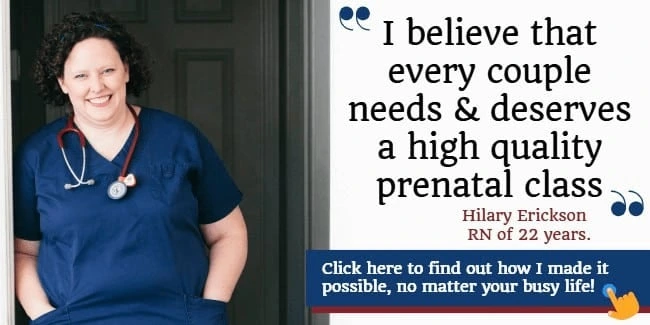
Hilary Erickson is the creator of Pulling Curls and the educator behind its prenatal course. She is a registered nurse known for her experience working in labor and delivery.
Her professional background influences the course’s approach to childbirth education. Instead of relying entirely on textbook explanations, she discusses situations that commonly arise in hospital maternity units.
This perspective can help expecting mothers understand why certain procedures are recommended, how nurses support patients, and what questions families can ask during their hospital stay.
Hilary also presents pregnancy education in an approachable style. Her goal is to make medical information easier for everyday parents to understand without requiring extensive healthcare knowledge.
Her nursing experience adds practical credibility to the program, although it is important to remember that childbirth education is not a replacement for individualized medical advice.
Every pregnancy has unique considerations. Parents should continue discussing personal health concerns, birth preferences, and medical risks with their obstetrician, midwife, or other qualified maternity care professional.
Pros and Cons of the Class
Choosing a prenatal class involves more than comparing lesson topics. Learning preferences, pregnancy circumstances, available support, and budget can all influence whether a program feels worthwhile.
The Pulling Curls Prenatal Class offers several appealing features, but there are also limitations worth considering before enrolling.
Advantages
Convenient learning from home
One of the strongest benefits is flexibility. Expecting parents can study without traveling to a hospital or community education center.
This arrangement can make childbirth preparation easier for people managing demanding work schedules or family responsibilities.
Instruction from an experienced maternity nurse
Hilary’s labor and delivery background gives the course a practical focus. Parents can learn about hospital routines and common procedures from someone familiar with maternity care.
Useful information for birth partners
Childbirth preparation is not only for the person giving birth. Partners can benefit from understanding labor stages, emotional support techniques, and ways to communicate with healthcare staff.
Learning together may also help couples discuss expectations before delivery.
Realistic preparation for hospital birth
The course introduces medical situations that parents might not otherwise consider until labor begins.
Understanding topics such as fetal monitoring, induction, and cesarean delivery can make hospital conversations less confusing.
Opportunity to review lessons
Recorded educational content allows learners to revisit complicated subjects. This can be particularly helpful when preparing a birth plan or reviewing information during the final weeks of pregnancy.
Disadvantages
Limited hands-on practice
Online instruction cannot fully reproduce the experience of practicing labor positions, breathing techniques, or newborn handling with an instructor physically present.
Parents who prefer demonstrations and immediate correction may benefit from additional in-person education.
Less face-to-face interaction
Traditional prenatal classes often allow participants to meet other expecting families and ask questions in real time.
An online course may provide fewer opportunities for spontaneous conversations and community connections.
Strong emphasis on hospital childbirth
The course’s medical setting perspective may be particularly useful for hospital deliveries. However, families planning home births or birth center deliveries might want education specifically tailored to those environments.
Requires personal motivation
Self-paced education works best when learners establish a routine. Without scheduled attendance, some parents may postpone lessons until their due date approaches.
Additional education may still be necessary
No single prenatal course can cover every pregnancy complication, infant feeding concern, or newborn care situation in sufficient depth.
Specialized classes and professional consultations may still be helpful.
Topics Covered in the Course
A good childbirth education program should help parents understand the birth process while preparing them to participate in decisions about their care.
The following sections explain the major subjects associated with prenatal preparation and how the Pulling Curls approach can support learning. Parents should verify the current course syllabus for the precise depth of coverage in each area.
Labor and Delivery
Labor is often one of the biggest sources of uncertainty for first-time mothers. Understanding the process beforehand can make it easier to recognize changes and communicate concerns.
Prenatal education typically introduces the stages of labor, including early labor, active labor, pushing, and delivery of the placenta.
Parents can also learn about common signs that labor may be starting, such as regular contractions, changes in vaginal discharge, and rupture of the amniotic membranes.
Another important topic is knowing when to contact the maternity care team. Not every contraction means immediate hospital admission is necessary, but certain symptoms require prompt medical attention.
For example, heavy vaginal bleeding, reduced fetal movement, or concerns about leaking amniotic fluid should be discussed promptly with a healthcare professional.
Understanding hospital admission procedures, fetal monitoring, and routine assessments can also help families feel more familiar with the delivery environment.
Birthing Options
Childbirth does not follow one universal pattern. Some mothers experience spontaneous vaginal delivery, while others require induction, assisted delivery, or cesarean birth.
Prenatal education helps parents understand these possibilities without treating one birth experience as the only successful outcome.
Common topics include:
- Vaginal birth and the usual stages of delivery
- Labor induction and reasons it may be recommended
- Assisted vaginal birth using vacuum or forceps
- Planned and unplanned cesarean delivery
- Medical monitoring and decision-making during labor
Understanding these options allows parents to discuss their preferences while remaining prepared for changes when medically necessary.
A birth plan can be useful for communicating priorities, but it should remain flexible enough to accommodate the health and safety needs of the mother and baby.
Pain Management
Labor discomfort varies considerably between individuals. Some mothers prefer medication-free coping techniques, while others choose medical pain relief.
Neither approach determines whether a birth experience is successful.
Prenatal education can introduce nonmedical comfort measures such as breathing exercises, movement, position changes, massage, and support from a trusted birth partner.
It can also explain common medical pain relief methods, including epidural anesthesia and other medications available in certain maternity facilities.
Learning about potential benefits, limitations, and side effects helps parents prepare questions for their healthcare team.
For example, an epidural may provide substantial pain relief, but it can also affect mobility and require additional monitoring.
The best pain management plan depends on individual preferences, medical circumstances, and available hospital services.
Postpartum Care
Preparing for childbirth is important, but recovery after delivery deserves equal attention.
The postpartum period involves physical healing, hormonal changes, sleep disruption, and adjustment to caring for a newborn.
Expecting parents benefit from understanding normal recovery experiences, including vaginal bleeding, uterine cramping, perineal discomfort, and fatigue.
Recovery needs may differ after vaginal birth and cesarean delivery.
Emotional health is another essential consideration. Temporary mood changes can occur after childbirth, but persistent sadness, severe anxiety, or difficulty functioning may require professional evaluation.
Families should also recognize warning signs that need urgent medical attention, including heavy bleeding, chest pain, difficulty breathing, severe headaches, or thoughts of self-harm.
Prenatal preparation can encourage parents to organize household support, plan meals, arrange follow-up appointments, and discuss how responsibilities will be shared after the baby arrives.
Breastfeeding
Infant feeding is an important part of early parenting, and many expecting mothers appreciate learning the basics before delivery.
Breastfeeding education may introduce how milk production begins, why positioning matters, and how parents can recognize feeding cues.
Newborns commonly feed frequently, particularly during their first weeks. Understanding typical feeding patterns can help families set realistic expectations.
Parents may also benefit from learning about latch difficulties, breast discomfort, and signs that a baby might not be receiving enough milk.
However, breastfeeding challenges sometimes require individualized support from a lactation consultant or another qualified healthcare professional.
Families choosing formula feeding or combination feeding also deserve accurate, judgment-free information about safe preparation, storage, and responsive feeding.
Because the Pulling Curls course is primarily focused on childbirth preparation, parents seeking extensive breastfeeding instruction should confirm what feeding education is currently included.
Newborn Care
Bringing a newborn home introduces a new set of responsibilities, especially for first-time parents.
Basic newborn education helps families become familiar with everyday care activities and important safety practices.
Useful subjects include diaper changing, bathing, umbilical cord care, soothing techniques, and recognizing normal newborn behavior.
Safe sleep deserves particular attention. Babies should be placed on their backs for every sleep on a firm, flat surface designed for infants, without loose blankets, pillows, or soft toys.
Parents should also understand common feeding and diaper patterns, appropriate car seat use, and when to contact a pediatrician.
A childbirth course may introduce some of these subjects, but a dedicated newborn care class can provide more detailed demonstrations and practical guidance.
And More…
Childbirth preparation often involves concerns that do not fit neatly into a single category.
Expecting parents may want to understand what to pack for the hospital, how to communicate birth preferences, and what responsibilities their partner can take on during labor.
Other useful preparation topics include medical consent, questions to ask during prenatal appointments, hospital policies, and what happens when labor progresses differently than expected.
Practical planning can also make a difference. Arranging transportation, identifying emergency contacts, and preparing essential supplies before the due date may reduce last-minute stress.
The overall goal is not to predict every possible situation. It is to help families develop enough knowledge to respond thoughtfully when new decisions arise.
Additional Resources
Although an online prenatal course can provide a strong educational foundation, some parents benefit from combining it with additional resources.
These options can offer hands-on experience, personal guidance, or opportunities to connect with other families.
Support Groups
Pregnancy and new parent support groups create opportunities to share experiences and discuss common concerns.
Groups may be organized through hospitals, community centers, parenting organizations, or online communities.
For first-time mothers, hearing from others who are navigating similar changes can make the transition to parenthood feel less isolating.
Some groups focus on specific subjects, including breastfeeding, postpartum emotional health, pregnancy after loss, or parenting multiples.
When discussing medical concerns, support groups should complement rather than replace advice from qualified professionals.
Infant CPR Classes
Infant CPR training is a valuable addition to childbirth education because it teaches practical emergency response skills.
These classes generally cover recognizing an unresponsive infant, responding to breathing emergencies, and performing age-appropriate cardiopulmonary resuscitation.
Many courses also include guidance on managing choking emergencies.
Parents, grandparents, babysitters, and other regular caregivers can benefit from learning these techniques.
For the most useful training, choose a recognized provider that offers current infant CPR instruction with hands-on practice and feedback.
Baby Care Basics
A dedicated baby care class can help parents practice skills that are difficult to learn through videos alone.
These sessions may include demonstrations of diaper changes, safe bathing, swaddling alternatives, feeding positions, and comforting a crying infant.
Some programs also address newborn sleep patterns, temperature checks, and common reasons to contact a pediatrician.
Hands-on practice can be particularly useful for parents who have little previous experience caring for infants.
Combining practical newborn instruction with a prenatal course provides preparation for both delivery and the first days at home.
Birth Center Tours
Visiting the planned delivery location can help parents understand what to expect when labor begins.
Many hospitals and birth centers offer maternity tours, although availability and formats vary.
During a tour, families may learn where to check in, which entrances to use after hours, and how labor and recovery rooms are organized.
It is also a good opportunity to ask about visitor policies, available pain relief options, infant care procedures, and whether the facility supports particular birth preferences.
Some hospitals provide virtual tours for parents who cannot attend in person.
Even after completing an online prenatal class, becoming familiar with the actual delivery facility can provide useful reassurance.
Comparing Pulling Curls Prenatal Class
The best prenatal education option depends on how you prefer to learn and what kind of birth experience you are preparing for.
Pulling Curls offers an accessible online approach, but comparing it with other formats can help clarify its strengths and limitations.
Online vs In-Person Classes
Online and in-person prenatal classes share the same general purpose: helping families prepare for childbirth through education.
However, their learning experiences can be quite different.
| Feature | Online Prenatal Classes | In-Person Prenatal Classes |
|---|---|---|
| Schedule | Often self-paced | Usually scheduled sessions |
| Location | Learn from home | Attend a physical venue |
| Lesson review | Recorded lessons may be replayed | Depends on provided materials |
| Hands-on activities | Usually limited | Often available |
| Instructor interaction | Depends on course features | Frequently includes live questions |
| Social connection | May require separate communities | Opportunities to meet other parents |
| Convenience | Useful for busy schedules | Requires travel and attendance |
Pulling Curls may appeal to parents who want to learn at their own pace or prefer reviewing information more than once.
In-person classes may be better suited to families who enjoy interactive discussions and practical demonstrations.
Some parents find that combining online childbirth education with a shorter hands-on workshop provides a useful balance.
Hospital-Based vs Independent Classes
Hospital-based prenatal classes often focus on the procedures, facilities, and policies of the institution where participants plan to deliver.
This can be particularly helpful for understanding local admission procedures, available pain relief methods, and the hospital’s approach to maternity care.
Independent childbirth classes may offer broader discussions of birth preferences, coping techniques, and different models of maternity care.
The Pulling Curls Prenatal Class occupies a useful position between these approaches. It is independently developed but informed by professional hospital labor and delivery experience.
That means parents can learn about common medical practices without needing to attend a particular hospital’s educational program.
However, hospital procedures vary between facilities. Information from a general prenatal course may not reflect the exact policies of your chosen delivery location.
For this reason, parents can benefit from pairing independent education with information provided directly by their hospital, obstetrician, or midwife.
Is It Worth It?
The Pulling Curls Prenatal Class is worth considering for expecting parents who want practical, flexible education about childbirth and hospital delivery.
Its greatest appeal is the combination of nursing experience, approachable explanations, and convenient online access. These features may be particularly valuable for first-time mothers who want to understand labor procedures before entering the delivery room.
The course may also be helpful for birth partners who want to become more involved and understand how to provide meaningful support.
However, it may not be the ideal standalone choice for everyone. Parents who prefer live demonstrations, direct instructor feedback, or specialized preparation for out-of-hospital birth may benefit from additional classes.
Cost is another factor. Since course packages and promotional offers can change, check the current price, included features, and access terms on the official Pulling Curls website before enrolling.
Ultimately, the value of any prenatal course comes from whether it helps you feel informed, supported, and better prepared to communicate with your maternity care team.
For parents planning a hospital birth and looking for convenient childbirth education, Pulling Curls can be a worthwhile option. Pairing it with personalized medical guidance, infant safety training, and information from your chosen delivery facility can create a more complete preparation experience.
Childbirth may involve unexpected moments, but understanding your options beforehand can help you approach those moments with greater confidence and clarity.