Navigating Baby Nap Transitions: A Friendly Guide to Keeping Your Sanity
A baby’s sleep schedule can feel like a moving target. Just when you think you’ve figured out the perfect nap routine, your little one starts resisting bedtime, waking earlier than usual, or refusing a nap that used to be a sure thing. These changes are a normal part of growing up, and they often mean your baby is becoming ready for a different sleep pattern.

Nap transitions happen as babies develop, their awake periods get longer, and their total daytime sleep needs change. Some children adjust quickly, while others need a little more time and patience. Understanding typical sleep patterns can help you recognize when a change may be needed without rushing your baby into a new routine.
Let’s explore the major nap transitions, practical ways to handle common sleep challenges, and how to create a routine that works for your family.
The Newborn Stage: Nap-a-palooza
During the newborn stage, sleep is spread throughout the day and night. Young babies have not yet developed a consistent circadian rhythm, the internal system that helps regulate sleep and wakefulness. As a result, naps may happen at unpredictable times, and nighttime sleep often includes frequent awakenings for feeding.
Newborns commonly sleep around 14 to 17 hours in a 24-hour period, although individual needs vary. Their sleep usually comes in short stretches rather than one long nighttime block.
Instead of trying to establish a strict timetable, focus on your baby’s cues and basic needs.
- Watch for sleepy signals: Yawning, looking away, reduced activity, and fussiness may indicate that your baby needs sleep.
- Offer naps when needed: Newborns generally cannot stay awake for long periods. Waiting until a baby becomes overtired may make settling more difficult.
- Keep expectations flexible: Some naps may last only a short time, while others may be longer.
- Support day-night awareness: During the day, allow normal household light and activity. At night, keep feeding and changing periods calm, quiet, and dimly lit.
- Prioritize safe sleep: Place your baby on their back for every sleep on a firm, flat, noninclined sleep surface designed for infants.
For the first few months, feeding, comfort, and safe sleep matter more than creating a perfect schedule. Your baby’s routine will gradually become more predictable as their nervous system matures.
Transition to Fewer Naps: The Four-Month Monster
Around three to five months, many babies begin developing more mature sleep cycles. Parents sometimes notice that a baby who previously slept for long stretches during naps suddenly wakes after 30 to 45 minutes or struggles to settle.
This period is often called the four-month sleep regression. The term describes a common pattern rather than a formal medical diagnosis, and not every baby experiences it in the same way.
Your baby may become more alert, show greater interest in the environment, and tolerate longer periods of wakefulness. However, a sudden change in sleep does not automatically mean your baby is ready to drop a nap.
What can help during this stage?
- Use a flexible routine: Offer sleep after an age-appropriate period of wakefulness rather than following the clock rigidly.
- Create a short pre-nap ritual: A diaper change, a quiet cuddle, and a short song or story can signal that sleep is approaching.
- Reduce stimulation: A calm, dim environment may help your baby settle when distractions are making it difficult to relax.
- Avoid forcing longer naps: Some babies naturally take brief naps during this stage. You can offer another opportunity to sleep when tiredness returns.
- Keep nighttime expectations realistic: Frequent waking can continue because of hunger, development, discomfort, or normal variations in infant sleep.
Many babies around four months still need several naps each day. Rather than immediately eliminating one, look for a consistent pattern of readiness, such as regularly resisting a particular nap while remaining comfortable and alert.
Dropping from Three to Two Naps: The Six to Nine-Month Shuffle
Between roughly six and nine months, many babies gradually move from three naps to two. The exact timing varies, and some babies make this change earlier or later.
As babies grow, they can often stay awake longer between sleep periods. A third nap may begin pushing bedtime too late, or your baby may repeatedly refuse it because they are not tired enough.
Common signs that your baby may be ready include:
- Regularly refusing the third nap despite having a reasonable opportunity to sleep.
- Taking longer to fall asleep at bedtime.
- Staying comfortably awake for longer stretches.
- Taking two more substantial naps and showing less interest in the late-afternoon nap.
One difficult day is not enough to confirm a transition. Teething, illness, travel, and developmental changes can temporarily affect sleep. Look for a repeated pattern over several days or weeks.
How to make the transition easier
Start by adjusting the timing of the first two naps gradually. If the third nap becomes difficult, you can move bedtime earlier to compensate for the lost daytime sleep.
For example, a baby who previously took three naps might gradually settle into a morning nap and an early-afternoon nap. Bedtime can then shift according to when the second nap ends and how tired the baby seems.
Keep an eye on your baby’s overall mood and total sleep. Babies aged four to twelve months generally need about 12 to 16 hours of sleep per 24 hours, including naps, according to pediatric sleep recommendations.
If your baby becomes consistently overtired, wakes much more frequently at night, or struggles to stay comfortable between naps, the change may be happening too quickly. A temporary return to three naps on an unusually tiring day can be reasonable.
The Big Drop: Two to One Nap
The transition from two naps to one often occurs between 12 and 18 months, although there is considerable individual variation. This change can feel especially challenging because the remaining nap must provide enough daytime rest without interfering with nighttime sleep.
You may notice that your toddler begins refusing the morning nap, takes a long time to fall asleep for the afternoon nap, or starts resisting bedtime after a late second nap.
These signs can suggest readiness, but consider the overall pattern before changing the schedule. Toddlers may temporarily resist naps during developmental leaps or when their daily routine changes.
Making the move from two naps to one
- Shift the nap gradually: Move the morning nap later in small increments until it becomes a midday or early-afternoon rest period.
- Bring bedtime forward if necessary: During the adjustment, your toddler may need an earlier bedtime to avoid becoming overtired.
- Offer quiet time: If your child does not fall asleep immediately, a calm period in a safe environment can still provide a break from stimulation.
- Maintain consistency: Similar waking times, meals, and bedtime rituals help make the new routine easier to understand.
- Watch for signs of insufficient sleep: Frequent meltdowns, accidental dozing, and persistent tiredness may mean your child needs more rest or a slower transition.
A toddler might initially nap for only a short period after dropping the morning nap, then gradually begin sleeping longer around midday. Others adjust quickly. There is no need to demand a two-hour nap if your child is rested and sleeping well overall.
The aim is not to produce a perfect schedule. It is to find a rhythm that supports your toddler’s development, mood, and nighttime sleep.
The Nap-less Wonder: Saying Goodbye to Naps
Giving up naps is a major milestone, and it usually happens later than many parents expect. Children commonly stop napping sometime between ages three and five, although some need daytime sleep for longer.
A toddler who occasionally refuses a nap is not necessarily ready to stop napping completely. Look for a consistent pattern.
Your child may be ready to transition away from regular naps if they:
- Remain cheerful and engaged throughout the afternoon without sleeping.
- Consistently take a long time to fall asleep at nap time.
- Experience bedtime delays after taking a daytime nap.
- Sleep well at night and wake reasonably refreshed without a nap.
If your child still becomes extremely tired, falls asleep unexpectedly in the late afternoon, or struggles with behavior when naps are missed, they may still benefit from daytime sleep.
Replacing naps with quiet time
When regular naps become unnecessary, a predictable quiet period can help everyone recharge. Offer books, soft toys, drawing materials, or another calm activity suitable for your child’s age and abilities.
Quiet time should be comfortable rather than a punishment for refusing sleep. If your child falls asleep naturally, allow for appropriate rest while considering how daytime sleep affects bedtime.
Preschoolers aged three to five generally need about 10 to 13 hours of sleep per 24 hours, including naps. Even after naps disappear, an adequate nighttime sleep opportunity remains important.
A gradual transition often works better than suddenly removing all daytime rest. Some children will nap on particularly active days, during illness, or after disrupted nighttime sleep. Occasional naps during this period are normal.
Real-Life Examples
Every child responds differently to sleep changes. The following fictional examples illustrate how parents might adjust routines while paying attention to individual needs.
Example 1: A Four-Month-Old With Short Naps
Maya’s baby used to nap for an hour or more but now wakes after 35 minutes. Maya initially tries to extend every nap, but the effort leaves both of them frustrated.
She begins treating short naps as a normal possibility, watching for tiredness, and offering another sleep opportunity later. She also keeps the bedroom calm and follows the same brief pre-nap routine.
Over time, she notices that some naps lengthen while others remain short. Instead of expecting every nap to look the same, she focuses on her baby’s overall sleep and well-being.
Lesson: Short naps do not always require a major schedule change. Development, sleep cycles, and individual temperament can all affect nap length.
Example 2: An Eight-Month-Old Who Refuses the Third Nap
Adam’s baby regularly sleeps during the morning and early afternoon but increasingly refuses the late-afternoon nap. On days when the third nap happens, bedtime becomes difficult.
Adam tracks the pattern for a week and finds that the late nap is consistently interfering with the evening routine. He gradually adjusts the earlier naps and moves bedtime forward when needed.
Lesson: Repeated resistance to the third nap, combined with comfortable longer wake periods, can indicate readiness for two naps.
Example 3: A Fifteen-Month-Old Struggling With Two Naps
Sara’s toddler begins refusing the morning nap but becomes very tired before lunchtime. Sara moves the morning nap later in small increments and offers lunch around the new schedule.
After a period of adjustment, the toddler settles into one midday nap. On particularly tiring days, Sara allows for an earlier bedtime rather than trying to force the old two-nap routine.
Lesson: The transition to one nap may require gradual changes and temporary flexibility.
Example 4: A Four-Year-Old Who No Longer Sleeps During the Day
Hassan’s preschooler spends nap time looking at books instead of falling asleep. When a nap does happen, bedtime is often delayed.
Hassan replaces the scheduled nap with quiet time and keeps the evening routine consistent. He also watches for afternoon tiredness and makes bedtime earlier when his child seems to need more rest.
Lesson: When a child consistently functions well without naps, quiet time and sufficient nighttime sleep can support the transition.
These examples are not universal schedules. They demonstrate how observing patterns and making small adjustments can be more useful than expecting every child to follow the same timetable.
Nap Etiquette: The Unspoken Rules
Naps affect the entire household, so a little planning can make daily life easier. However, a family’s routine does not have to revolve around perfect silence or rigid timing.
Here are some practical ways to make nap time smoother.
- Protect the sleep environment: Keep the sleeping area free from hazards, and use a firm, flat surface appropriate for your child’s age.
- Communicate with caregivers: If another person watches your baby, share the usual sleep cues, routine, and safe-sleep instructions.
- Plan outings thoughtfully: When possible, schedule errands around your child’s usual sleep periods. When plans change, adjust expectations rather than treating the day as a failure.
- Use reasonable noise levels: Ordinary household sounds do not always need to stop, although reducing sudden, loud noise may help a light sleeper.
- Be considerate of others: If you live with relatives, roommates, or neighbors, communicating about particularly noisy activities can prevent unnecessary conflict.
- Stay flexible during special occasions: Travel, family visits, and celebrations can disrupt routines. Returning to familiar habits afterward can help restore consistency.
There is no requirement to remain completely silent throughout the day. Babies and toddlers can learn to sleep in ordinary household environments, although some may be more sensitive to noise or light than others.
Most importantly, avoid comparing your child’s routine with another family’s schedule. A nap plan that works beautifully for one household may be unrealistic for another.
Dealing with Nap Resistance: The Struggle is Real
Nap resistance can be frustrating, especially when your child appears exhausted but refuses to settle. Before assuming the schedule needs changing, consider what may be causing the problem.
Common reasons include:
- The timing is off: Your child may not be tired enough yet, or they may already be overtired.
- Developmental changes: New skills, increased curiosity, and growing independence can make sleep less appealing.
- Discomfort or illness: Teething discomfort, congestion, fever, hunger, or other physical problems may interfere with rest.
- Environmental distractions: Bright light, excessive stimulation, uncomfortable temperatures, or household activity can make settling harder.
- Separation concerns: Some babies and toddlers become upset when a caregiver leaves, especially during periods of developmental change.
- Changing sleep needs: A child may be ready to transition to fewer naps, particularly when resistance is consistent rather than occasional.
Practical ways to handle nap resistance
1. Review the timing
Consider when your child last woke up and how they behave before naps. If they regularly seem energetic and take a long time to settle, the nap may be offered too early. If they become distressed and exhausted, they may need an earlier opportunity to sleep.
2. Create predictable cues
A short routine involving a diaper change, a story, gentle cuddling, or a quiet song can help your child recognize that rest is approaching. Keep it simple enough to repeat consistently.
3. Reduce stimulation
Dim the lights, put away exciting toys, and create a calm atmosphere. You do not need to make every part of the house silent, but a quieter environment can help some children relax.
4. Offer comfort without creating a battle
A distressed child may need reassurance. Depending on their age, you might sit nearby, offer a comforting phrase, or provide a short cuddle before trying again.
5. Allow for a reasonable reset
If your child remains wide awake and increasingly upset, take a brief break and try a calm activity before offering sleep again when appropriate. Avoid keeping a child in a prolonged struggle simply because the schedule says it is nap time.
6. Adjust gradually
When a nap transition seems likely, make small schedule changes rather than abruptly removing sleep opportunities. Monitor daytime mood, nighttime sleep, and total sleep across several days.
7. Look at the bigger picture
A missed nap does not necessarily mean the routine is failing. What matters is whether your child is getting enough sleep over 24 hours and functioning comfortably during waking periods.
If nap resistance is persistent, severe, or accompanied by symptoms such as unusual lethargy, pain, breathing difficulties, or major changes in behavior, seek advice from your child’s healthcare professional.
Nap Accessories: The Essentials
You do not need an elaborate collection of sleep products to help your baby nap. A safe sleep environment and a predictable routine are more important than expensive accessories.
Useful items may include the following.
A suitable sleep space
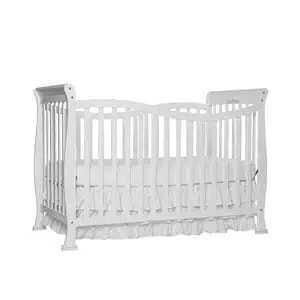
For infants, use a safety-approved crib, bassinet, or play yard with a firm, flat, noninclined mattress and a fitted sheet. Keep the sleep area free of pillows, loose blankets, stuffed toys, bumpers, and other soft objects.
Always place babies on their backs for sleep. If a baby rolls independently in both directions, continue starting every sleep on the back, while keeping the sleep space empty.
A wearable blanket
A properly fitted, nonweighted wearable blanket can provide warmth without introducing loose bedding. Choose one appropriate for your child’s size and room temperature.
Avoid weighted sleep sacks, weighted blankets, and weighted swaddles for infants. Stop swaddling as soon as a baby shows signs of attempting to roll.
Room-darkening curtains
Curtains that reduce incoming daylight may help babies and toddlers who are easily distracted by bright rooms. They are optional, not a requirement for healthy sleep.
Ensure that curtain cords and window blind cords are inaccessible to children.
A white-noise machine
Some families find steady background noise helpful when ordinary household sounds interrupt naps. If you use one, keep the volume low and position the device well away from the baby’s head and sleep area.
A noise machine is optional. It should not be used so loudly that it masks important sounds or creates a potentially harmful noise exposure.
A simple sleep log
A notebook or phone-based record can help you identify patterns in wake times, naps, bedtime, and nighttime waking. You do not need to track every minute. A few days of consistent observations may reveal whether a schedule adjustment is worth trying.
A consistent comfort routine
For older babies and toddlers, a familiar book, song, or quiet cuddle can become a helpful cue for rest. Avoid placing loose comfort items in an infant’s sleep space, even if they seem soothing.
Ultimately, the best sleep accessories are those that support safety and make your routine easier without adding unnecessary complexity.
Resources for Further Reading
Reliable guidance can help you distinguish normal sleep changes from problems that deserve medical attention. These organizations provide useful information about infant and child sleep, safe sleep practices, and developmental health.
- American Academy of Pediatrics (AAP): Offers pediatric guidance on infant safe sleep, sleep environments, and child health.
- Centers for Disease Control and Prevention (CDC): Provides information on recommended sleep duration, infant safety, and healthy routines.
- National Health Service (NHS): Shares practical advice for parents about baby sleep, bedtime routines, and common childhood sleep challenges.
Use these resources alongside advice from your child’s healthcare professional, especially if your baby was born prematurely, has an underlying medical condition, or has unusual sleep difficulties.
FAQs
When should my baby start following a nap schedule?
Newborns usually need sleep opportunities throughout the day and night, so a strict schedule is often unrealistic. As babies grow, their sleep patterns become more predictable. You can gradually introduce consistent routines while continuing to respond to hunger, tiredness, and other needs.
How can I tell whether my baby is ready to drop a nap?
Look for a repeated pattern of resisting a particular nap, comfortably staying awake longer, and continuing to sleep well overall. One or two difficult days are not enough to confirm readiness because illness, teething, travel, and developmental changes can temporarily disrupt sleep.
Is it normal for my baby to take short naps?
Yes. Short naps are common, especially in younger babies whose sleep cycles are still developing. If your baby is feeding well, growing appropriately, and generally alert when awake, a short nap is not automatically a concern. Persistent sleep difficulties accompanied by other symptoms should be discussed with a healthcare professional.
What should I do if my baby skips a nap?
Respond to your baby’s tiredness rather than forcing the missed nap. Depending on the time of day, you may offer another sleep opportunity or move bedtime earlier. An occasional missed nap is usually manageable, but repeated missed naps may indicate that the schedule needs adjusting.
Should I wake my baby from a long nap?
It depends on your baby’s age, feeding needs, growth, medical history, and overall sleep pattern. Newborns who are not yet gaining weight appropriately may need to be woken for feeds according to their healthcare professional’s advice. For older babies, the effect of a long nap on feeding and nighttime sleep can help guide decisions. Ask your pediatrician if you are unsure whether your baby needs scheduled waking.
Can I let my baby nap in a car seat or stroller?
Car seats should be used for travel and according to the manufacturer’s instructions, not as routine sleep spaces outside the vehicle. If a baby falls asleep in a car seat, move them to a firm, flat, noninclined sleep surface as soon as it is practical to do so safely. Strollers are also not substitutes for a safe infant sleep space unless the particular product and configuration are specifically approved for that purpose.
Does every child need the same number of naps?
No. Nap needs vary with age, temperament, development, and total sleep requirements. Age-based guidelines provide a starting point, but your child’s behavior and overall sleep pattern matter too.
Can teething cause nap problems?
Teething discomfort may temporarily make settling more difficult. However, not every sleep disturbance is caused by teething. Significant fever, persistent pain, feeding difficulties, or other concerning symptoms should not automatically be attributed to teething and may require medical assessment.
How long should quiet time last after my toddler stops napping?
There is no universal duration. You might begin with a short, predictable period and adjust according to your child’s needs and your family’s routine. Quiet time should offer a chance to relax, not become a prolonged struggle to force sleep.
What if my toddler naps at daycare but refuses to nap at home?
Different environments can produce different sleep patterns. Daycare routines, activity levels, and group schedules may influence when your toddler becomes tired. Ask the caregivers about nap duration and timing, then consider how those naps affect evenings at home.
Signs to Seek Professional Help
Most nap transitions are normal developmental changes, but certain symptoms deserve professional attention. Contact your child’s pediatrician or another qualified healthcare professional if you notice persistent or concerning problems.
Consider seeking advice if your child:
- Has ongoing sleep difficulties that significantly affect daytime behavior or family life.
- Snores frequently, gasps during sleep, or appears to have pauses in breathing.
- Shows persistent daytime sleepiness despite apparently getting enough sleep.
- Has repeated episodes of waking in distress that are difficult to explain.
- Experiences feeding problems, poor weight gain, or other concerns alongside sleep difficulties.
- Develops a sudden and substantial change in sleep accompanied by illness, pain, or unusual behavior.
- Seems unusually difficult to wake or is much less responsive than normal.
Breathing difficulty, blue or gray discoloration, or unresponsiveness requires urgent medical attention. Do not wait for a routine appointment if these symptoms occur.
For young infants, follow your healthcare professional’s guidance about feeding intervals and waking for feeds, particularly if your baby was premature, has jaundice, has difficulty gaining weight, or has another medical concern.
It is also reasonable to ask for help when sleep problems leave caregivers exhausted or overwhelmed. A healthcare professional can help assess possible medical causes, review age-appropriate sleep expectations, and suggest a realistic plan.
Embracing the Chaos: You’ve Got This
Baby nap transitions can be unpredictable. A routine that works for several weeks may suddenly stop working, and the next stage may bring its own challenges. That does not mean you have done anything wrong.
Focus on patterns rather than individual days. Watch your child’s sleep cues, make gradual adjustments, and remember that developmental milestones rarely happen on a perfectly predictable timetable.
Keep safe-sleep practices consistent, offer a calm and familiar routine, and give yourself permission to adapt when life gets messy. Some days will include long naps, while others may involve brief rest periods and an earlier bedtime.
Most importantly, you do not need to follow someone else’s schedule to be a good parent. Your goal is to support your child’s sleep needs while creating a routine your family can realistically maintain.
With patience, observation, and a little flexibility, nap transitions can become easier to navigate. And when things feel overwhelming, asking for help is a sensible step, not a failure.