How to Make a First Birthday Party Fun for Adults
A baby’s first birthday is a major milestone for the entire family. Parents celebrate twelve months of growth, grandparents enjoy precious time with their grandchild, and friends gather to share in the happiness. While the birthday baby deserves plenty of attention, adults should have opportunities to relax, enjoy good food, and connect with one another.
Planning a party that appeals to different ages does not require an elaborate venue or an expensive entertainment schedule. A thoughtful theme, a comfortable seating arrangement, delicious refreshments, and a few enjoyable activities can make the day memorable for everyone.
The secret is to balance baby-friendly entertainment with grown-up comforts. Here are practical ways to create a first birthday celebration that adults will truly enjoy.
50 Ways to Make a First Birthday Party Fun For Adults
A successful first birthday party brings together people with different interests, energy levels, and relationships with the family. Some guests may love competitive games, while others prefer conversation, music, or a quiet corner to relax.
These ideas offer plenty of inspiration for planning a celebration that works for both children and adults.
- Choose a theme that looks attractive in photographs.
- Create a welcoming entrance with personalized decorations.
- Serve a variety of savory snacks and sweet treats.
- Prepare a signature nonalcoholic drink for guests.
- Set up a comfortable conversation area.
- Organize a photo booth with fun accessories.
- Create a playlist of cheerful background music.
- Arrange a simple trivia game about the birthday baby.
- Invite guests to predict the child’s future interests.
- Provide a guestbook for birthday wishes.
- Display photographs from the baby’s first year.
- Serve a meal inspired by the family’s favorite cuisine.
- Offer a separate cake or smash cake for the baby.
- Arrange a dessert table with bite-sized portions.
- Create a DIY flower or balloon arrangement station.
- Set up a coloring table for young children.
- Provide age-appropriate toys in a supervised play area.
- Organize a family-friendly scavenger hunt.
- Hold a friendly baby-photo guessing contest.
- Prepare small prizes for game winners.
- Create a designated space for nursing and feeding.
- Offer comfortable seating for grandparents.
- Arrange outdoor lawn games when space permits.
- Set up a board-game table for interested guests.
- Plan a short birthday toast or family speech.
- Invite relatives to share a favorite memory.
- Give guests personalized thank-you cards.
- Prepare party favors that guests can actually use.
- Offer coffee and tea alongside dessert.
- Create a colorful mocktail station.
- Display the baby’s milestones on a decorative timeline.
- Provide a craft activity for older children.
- Arrange a group photograph before guests leave.
- Set up a quiet corner away from loud music.
- Offer vegetarian and allergy-conscious food choices.
- Use name cards to encourage conversation.
- Provide a comfortable changing station.
- Schedule a short period for opening presents.
- Create a memory jar filled with guests’ wishes.
- Arrange a simple outdoor picnic.
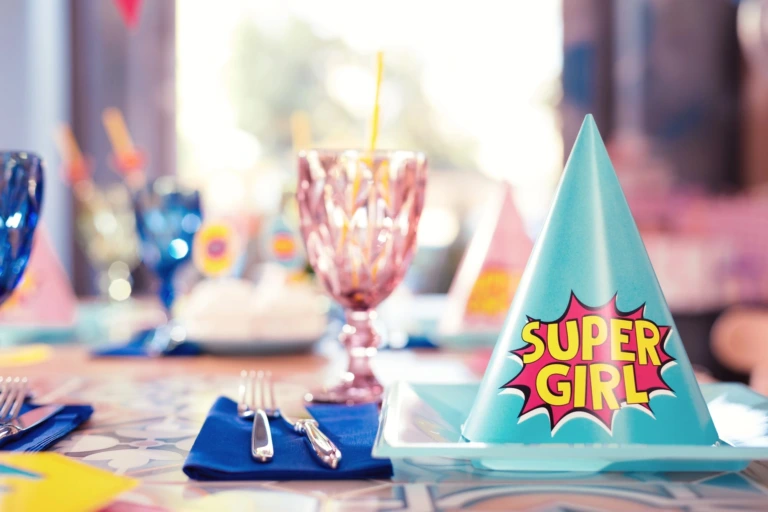
- Use themed tableware to make serving easier.
- Offer individual snack boxes for convenience.
- Plan a guessing game about the baby’s first words.
- Provide disposable cameras or a shared photo collection.
- Arrange a small family talent show.
- Create a birthday prediction card for future milestones.
- Set up a book corner with baby-friendly stories.
- Offer a relaxing activity such as a puzzle.
- Keep the schedule flexible around the baby’s naps.
- Finish with a group thank-you and a final photograph.
You do not need to use all fifty ideas. Choose a handful that fit your budget, available space, and guest list. A few well-executed activities are usually more enjoyable than a packed schedule.
1. Choose a Fun Theme

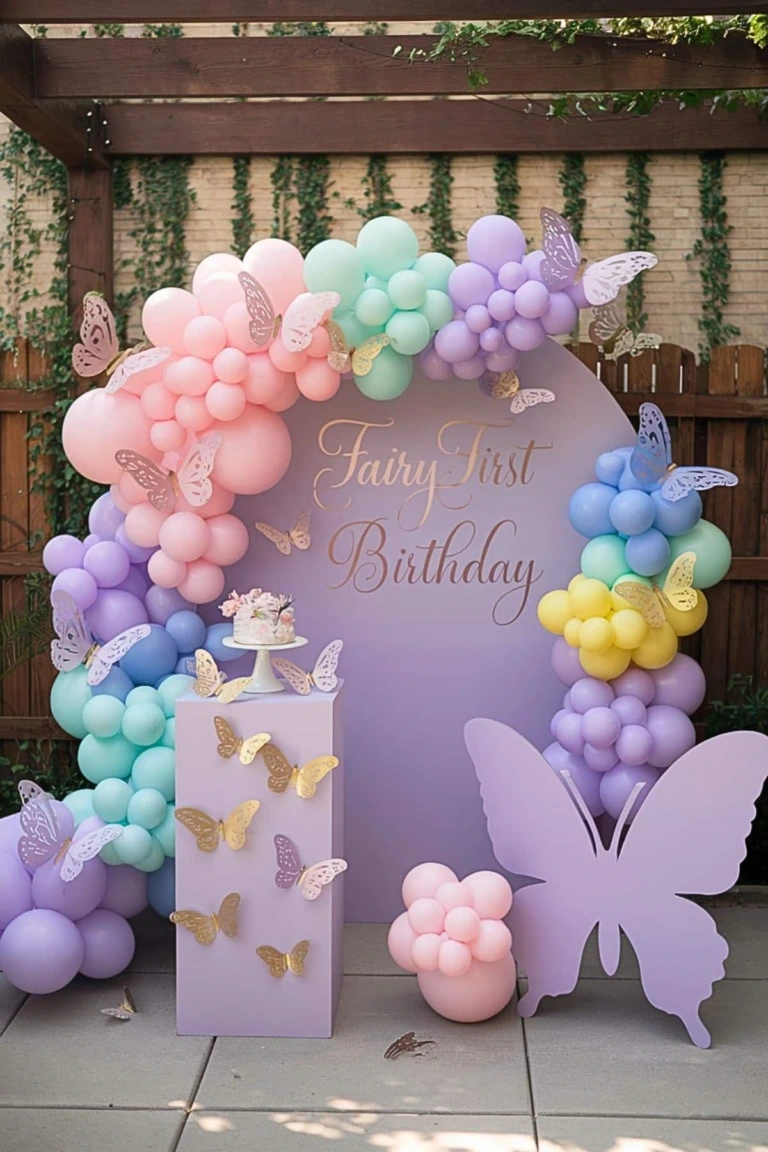
A good theme gives the party a sense of personality and makes decorating easier. It can also help connect the invitations, food presentation, games, and photographs.
Choose something that reflects your baby’s personality, a favorite storybook, or a style that the family enjoys. Popular options include woodland animals, teddy bears, sunshine, rainbows, little explorers, and garden parties.
For a more sophisticated gathering, consider a pastel palette, a classic picnic, or a simple brunch theme. These styles can feel festive without overwhelming the space with decorations.
Adults often appreciate a theme that looks cohesive rather than overly crowded. Matching table linens, a few coordinated centerpieces, and a beautifully decorated cake can create an attractive setting.
You can also introduce a small interactive element, such as a themed photo corner or a prediction card station. Guests will have something fun to do while the birthday baby remains the center of attention.
2. Food and Drinks
Food can make a significant difference to the guest experience. Since adults may stay for several hours, provide enough variety for people with different tastes and dietary requirements.
For a daytime party, consider sandwiches, wraps, mini pizzas, savory pastries, fruit platters, salads, and small desserts. A buffet allows guests to choose what they like and return for more without interrupting conversations.
If you are hosting a smaller gathering, a family-style meal can create a warm, relaxed atmosphere. For larger parties, individual snack boxes or clearly labeled serving stations may be easier to manage.
Drinks should include water, tea, coffee, fresh juices, and refreshing nonalcoholic options. Keep drinking water readily available, especially during warm weather.
Label common allergens and offer suitable alternatives for guests who avoid dairy, gluten, nuts, or other ingredients. If children will be sharing food, check that items are age-appropriate and prepared safely.
Plan the menu around your available preparation time. Ordering a few dishes from a reliable caterer and making the remaining items at home can reduce stress on the day.
3. Activities Keep Kids occupied

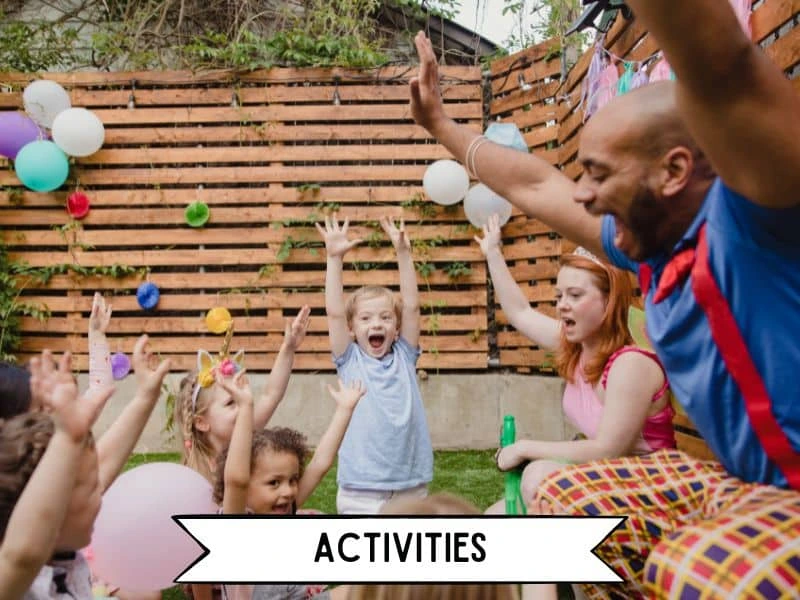
When children have something suitable to explore, adults often find it easier to relax and socialize. A dedicated play area can make the entire celebration feel more organized.
For babies and toddlers, provide a clean floor mat, soft toys, sturdy board books, and age-appropriate sensory activities. Older children may enjoy coloring sheets, simple crafts, building blocks, or supervised outdoor games.
Keep the play space away from hot food, sharp decorations, electrical cables, and busy walkways. Small objects that could cause choking should never be accessible to babies.
Ask a trusted adult to supervise the area rather than assuming that the decorations or toys will keep children safe on their own. Parents should remain responsible for their children unless a clearly arranged childcare service takes over.
If the party includes a garden or patio, outdoor play can be a welcome option. Provide shade, drinking water, and a safe boundary around any pools, steps, or other hazards.
The goal is not to entertain children every minute. A few inviting activities and a safe environment can give families more freedom to enjoy the occasion together.
4. Enjoying Cake and Desserts
The cake-cutting moment is often the highlight of a first birthday celebration. Make it enjoyable for adults by turning it into a short, shared experience rather than a rushed photo opportunity.
Choose a cake that suits the theme and the number of guests. A decorated buttercream cake, a fruit-topped cake, or a simple homemade design can all look beautiful. Cupcakes and mini desserts are useful additions because guests can serve themselves easily.
Many families prepare a small smash cake for the birthday baby. Keep the ingredients age-appropriate and check for potential allergens. Honey should not be given before the child reaches 12 months of age, so leave it out of the smash cake unless your baby has already turned one.
Avoid hard candies, whole nuts, and other choking hazards in the baby’s portion. The baby should be seated upright and supervised closely while eating.
For adults, arrange coffee, tea, or other refreshments near the dessert table. Keep the cake-cutting schedule flexible in case the baby needs a nap, a feed, or a little comfort before the photographs.
A relaxed cake moment creates better memories than trying to achieve a perfectly staged scene.
5. Games for Everyone
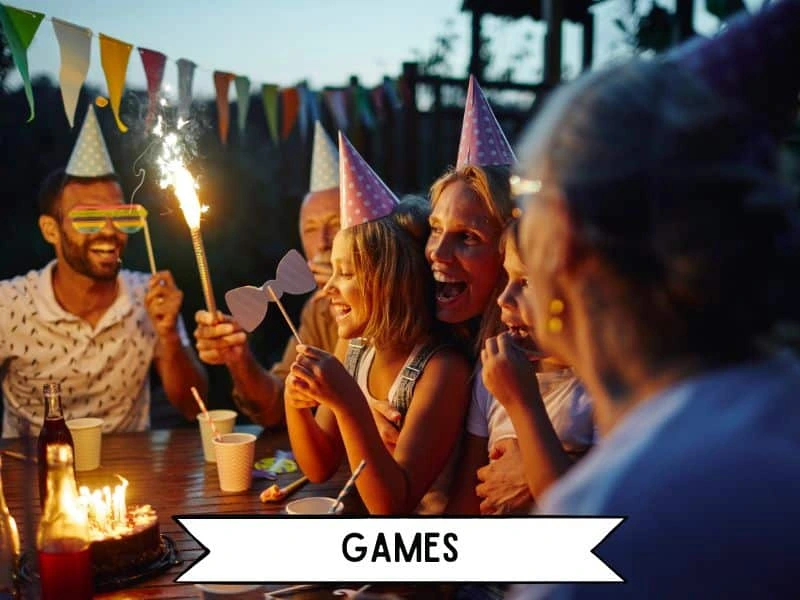
Games give adults a reason to interact beyond the usual greetings and small talk. The best options are easy to explain, inclusive, and short enough to fit naturally into the party.
Consider a baby trivia quiz, a guessing game about the child’s milestones, or a contest in which guests match baby photographs to family members. These activities encourage laughter while keeping the focus on the birthday celebration.
Avoid games that embarrass guests or require everyone to participate. Some people prefer watching from their seats, and that should be perfectly acceptable.
Prepare any cards, pens, small prizes, and instructions before guests arrive. A designated host can explain the rules and keep activities moving without making the gathering feel overly structured.
Interactive and Relaxing Activities:
Interactive activities do not have to involve competition. A memory jar, a wish card station, or a shared scrapbook can help guests contribute something meaningful to the baby’s first birthday.
Place cards and pens on a table where guests can write advice for the child’s future, a favorite family memory, or a kind message to be read years later. You can save these notes in a keepsake box.
For guests who prefer a quieter experience, provide puzzles, conversation cards, or a comfortable reading corner. Outdoor gatherings may also benefit from simple activities such as ring toss or beanbag games, provided the equipment is suitable for the setting and supervised where necessary.
These options let guests participate at their own pace. They also give people who do not know one another well a natural way to start conversations.
Engaging Party Games:

Try games that celebrate the baby’s first year without requiring extensive preparation.
- Baby Milestone Quiz: Ask guests to guess when the baby first smiled, rolled over, or started crawling. The parents can reveal the answers.
- Guess the Baby Photo: Collect photographs of adult guests as babies and challenge everyone to identify them.
- Birthday Predictions: Invite guests to predict the child’s future hobbies, favorite foods, or personality traits.
- Family Trivia: Prepare questions about the parents, grandparents, and memorable family moments.
- What’s in the Bag?: Place a few safe baby-care items inside a bag and ask players to identify them by touch.
- Memory Challenge: Display a selection of baby-related objects, cover them, and see who remembers the most.
Keep each game brief and provide small, inexpensive prizes if desired. A box of chocolates, a handmade certificate, or a practical gift can make the experience more fun without increasing the budget significantly.
Kid-Free Zones and Childcare Options:

A dedicated adult relaxation area can be useful when space allows. It does not need to be completely separate from the children, but it should offer comfortable seating, fewer toys, and a quieter atmosphere.
For a large gathering, families may appreciate an optional supervised playroom or a qualified childcare provider. Arrange this in advance, explain the supervision arrangements clearly, and make sure parents know where their children will be.
A child-free lounge is different from a child-free party. Guests should understand whether children are welcome throughout the event and whether any separate area has age restrictions.
If alcoholic drinks are served to adults, keep them entirely out of children’s reach and sight where practical. Use a separate serving station, prevent children from accessing unattended glasses, and arrange responsible adult supervision. Never leave alcohol where a baby or toddler could accidentally consume it.
The purpose of these spaces is to give adults options while keeping children safe and included in the celebration.
6. Gifts and Opening Presents
Opening birthday presents can be a lovely part of the event, but it does not need to occupy a large portion of the party.
If the guest list is small, invite the birthday baby to open a few gifts while relatives watch. For larger gatherings, consider opening presents after the party so guests have more time to socialize.
Ask a family member to keep a simple record of who gave each gift. This makes writing thank-you messages easier later and reduces the chance of forgetting a thoughtful contribution.
If you want to involve guests without extending the gift-opening session, set up a birthday wish card station or a display where guests can leave messages for the child.
Parents can also communicate gift preferences in advance, especially if the baby already has plenty of toys or the family prefers books, practical items, or contributions toward future experiences.
The celebration should focus on spending time together, not on the number or cost of the presents.
7. Ensuring Comfort and Socializing

A comfortable environment encourages guests to stay, talk, and enjoy themselves. Think about the practical needs of people who will be attending, including grandparents, pregnant guests, parents with young children, and anyone with mobility concerns.
Provide enough chairs and arrange them in small groups so that conversations can happen naturally. Avoid placing every seat in a single row facing the cake table. Small seating clusters often make a gathering feel more welcoming.
If possible, create a quiet room for feeding, changing, or settling the baby. Make sure the bathroom and changing supplies are easy to locate.
Temperature, lighting, and noise also matter. Outdoor parties need shade and a backup plan for rain, while indoor gatherings benefit from comfortable ventilation and music that does not drown out conversation.
A simple welcome sign or a family member greeting guests at the entrance can help everyone feel included. If several guests do not know each other, introduce them through shared interests or family connections.
Most importantly, allow time for people to enjoy the occasion without constantly moving from one activity to another.
8. Creating Keepsakes and Memories
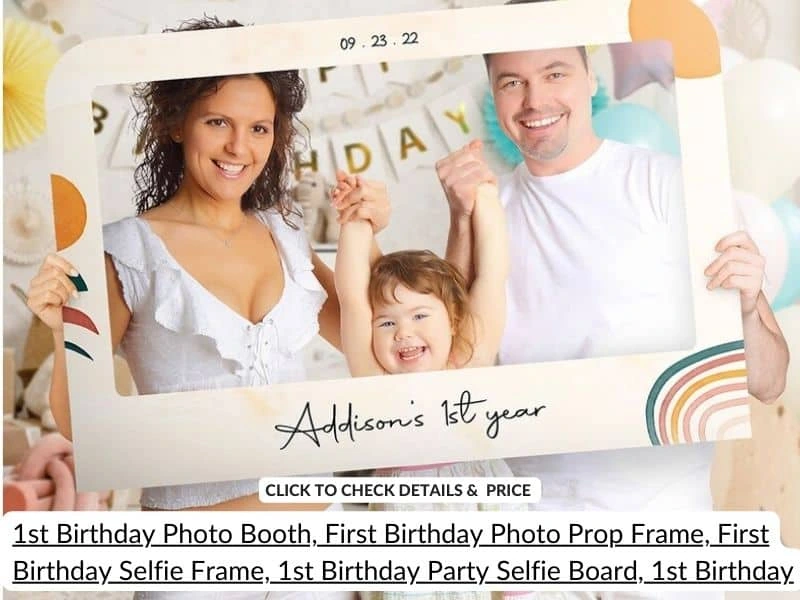
A first birthday passes quickly, making it a wonderful opportunity to preserve memories for the family.
Create a display of photographs showing the baby’s growth from birth to the present. Arrange them chronologically or choose a few special moments, such as the first smile, first family trip, or first attempt at crawling.
A guestbook can become a treasured keepsake when guests write personal wishes rather than simply signing their names. You could ask everyone to complete a sentence such as, “I hope you always…” or “One thing I wish for your future is…”
Other ideas include a decorated memory box, a birthday time capsule, or cards containing predictions for the child’s second birthday. Store paper keepsakes somewhere dry and safe so they can be revisited later.
Photographs are another valuable part of the day. Designate someone to capture candid moments while another person takes a few organized group pictures. This allows the parents to spend less time behind the camera.
If you share photographs online, consider the privacy preferences of parents and guests before posting images of children.
9. Adult Friendly Food and Drink
A baby-friendly celebration can still offer a menu that feels appealing to grown-ups. The trick is to select food that is flavorful, easy to serve, and suitable for a range of preferences.
For a casual afternoon party, try a combination of savory pastries, chicken or vegetable sliders, pasta salad, roasted vegetables, fresh fruit, and small cakes. For an evening celebration, a buffet with rice dishes, grilled options, salads, and vegetarian choices may be more appropriate.
Include at least a few filling dishes rather than relying entirely on sweets and finger foods. Guests who arrive hungry will appreciate having a proper meal available.
A separate drinks station can feature sparkling fruit drinks, lemonade, iced tea, or colorful mocktails. Tea and coffee are particularly useful when the party includes older relatives or takes place in the afternoon.
If alcohol is part of the adults’ menu, serve it responsibly in a clearly designated adult area. Keep all alcoholic beverages and alcohol-containing desserts away from children, and ensure children cannot access unattended drinks.
Finally, plan serving quantities according to the guest list and duration of the event. A smaller, well-chosen menu is often easier to manage and more enjoyable than an excessive spread.
10. Personalized Touches
Personal details help transform a standard birthday gathering into a celebration that feels unique to the family.
Use the baby’s name, favorite colors, or a meaningful family tradition throughout the decorations. A sign showing the child’s first-year milestones can double as a conversation starter.
You could also create a small display of favorite books, toys, or photographs. Guests who have followed the baby’s journey will enjoy seeing these details, while relatives who live farther away may appreciate learning about recent milestones.
Consider personalized place cards, handmade party favors, or a printed menu featuring a short note about the birthday child. These touches can be inexpensive while still looking thoughtful.
If you want to recognize family members, invite grandparents or siblings to share a brief memory. Keep speeches optional and short so the event remains relaxed.
Personalization works best when it reflects real family experiences. There is no need to customize every plate, decoration, and gift bag. A few meaningful details will have a stronger effect than an elaborate display created simply for photographs.
11. Practical Tips for a Smooth Party
Good preparation helps parents enjoy the day instead of spending the entire celebration managing logistics.
Start by choosing a realistic guest list, venue, and budget. Then decide which elements matter most, such as the cake, photographs, food, or a particular activity. Spend your money and time on those priorities first.
Create a simple schedule with flexible time slots for welcoming guests, serving food, taking photographs, cutting the cake, and opening presents. Babies can become tired or overwhelmed, so avoid treating the schedule as a strict timetable.
Prepare decorations, game materials, party favors, and serving supplies in advance. If possible, delegate specific tasks to relatives or friends rather than trying to handle everything yourself.
Use the following checklist to stay organized:
- Confirm the guest list and send invitations early.
- Ask guests about dietary needs and accessibility requirements.
- Plan the menu and arrange any catering.
- Check the weather if the event is outdoors.
- Prepare a safe feeding and changing area.
- Keep cleaning supplies, tissues, and spare baby clothes nearby.
- Assign someone to help with photographs.
- Check toys and play areas for choking and other safety hazards.
- Keep hot drinks, candles, decorations, and electrical equipment away from children.
- Make sure all alcoholic beverages are inaccessible to children.
- Allow time for naps, feeds, and unexpected changes.
- Arrange cleanup help before the event begins.
It is also helpful to have a backup plan. If the baby becomes tired, guests can continue enjoying the gathering while a parent settles the child. If outdoor weather changes, move activities indoors or simplify the arrangements.
Remember that the birthday baby may not enjoy every moment or cooperate with every photograph. That is normal. A successful party is one where everyone feels welcome, safe, and comfortable, even when things do not go exactly as planned.
The Best First Birthdays Aren’t the Most Expensive
A first birthday is a celebration of twelve months filled with new experiences, challenges, and joyful milestones. Its value does not depend on an expensive venue, elaborate decorations, or a long list of activities.
Adults are more likely to remember a delicious meal, a heartfelt conversation, a funny game, and the happiness of seeing the baby surrounded by loved ones than the price of the centerpiece.
Choose a theme you enjoy, serve food that suits your guests, create a few opportunities for interaction, and leave plenty of room for spontaneous moments. Give children a safe place to play and adults a comfortable place to connect.
Above all, make the celebration manageable for the parents. You deserve to enjoy this milestone too, rather than spending the entire day worrying about the arrangements.
The best first birthday party is one that reflects your family, brings people together, and creates memories you will be happy to revisit for years to come.