Hot Mama: How to Prepare for a Summer C-Section (Without Melting)
Having a baby during summer brings plenty of special moments, from warm evenings and sunny afternoons to those first cuddles with your newborn. However, recovering from a cesarean section when temperatures are high can present a few extra challenges.
Between surgical incision care, postpartum bleeding, night sweats, breastfeeding, and caring for a newborn, staying comfortable in hot weather requires some preparation. The good news is that a little planning can make your recovery space more relaxing and help you manage everyday tasks without unnecessary discomfort.
Whether your scheduled C-section is in June, July, or August, preparing your hospital bag, choosing comfortable clothing, and organizing support at home can make a meaningful difference.
Here are eight practical ways to prepare for a summer C-section and make your postpartum recovery more manageable.
☀️ 1. Prepping for the Heat Before Baby Arrives
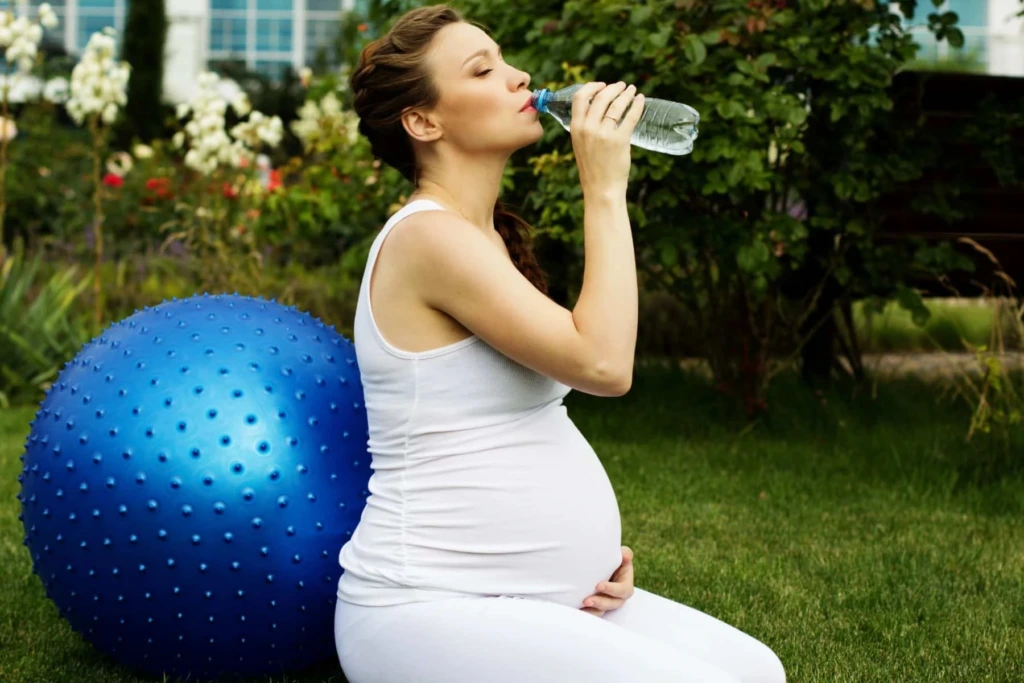
Getting your home ready before your scheduled delivery can save you considerable effort once you’re back from the hospital. Since you’ll need time to rest after abdominal surgery, think about creating a comfortable environment where you can recover without constantly moving around.
Hot weather can also increase sweating and fluid loss, so having a cool room and easy access to water is particularly helpful.
What to do now:
- Choose breathable clothing: Put together a collection of loose cotton nightgowns, oversized T-shirts, lightweight pajamas, and comfortable underwear. Avoid tight waistbands that could rub against your surgical incision.
- Prepare a cool bedroom: Use curtains or blinds to block strong afternoon sunlight. Keep the room ventilated and use an air conditioner or fan when necessary to maintain a comfortable temperature.
- Organize cooling supplies: Keep a few cold packs available for general comfort. Wrap them in a towel and never place ice directly against your skin or healing incision.
- Get a large water bottle: Choose one with a convenient straw so you can drink comfortably while resting or feeding your baby. Regular hydration is especially important during breastfeeding.
- Create a bedside essentials station: Arrange a small basket with tissues, a phone charger, lip balm, snacks, water, nursing supplies, and other frequently used items.
- Prepare comfortable bedding: Lightweight cotton sheets and breathable pillowcases can help you stay comfortable during warm nights.
Extra tip: Prepare a few cooling cloths before delivery. You can dampen them with cool water and use them on your forehead, neck, or arms when the weather feels particularly uncomfortable.
👜 2. What to Pack in Your Summer C-Section Hospital Bag
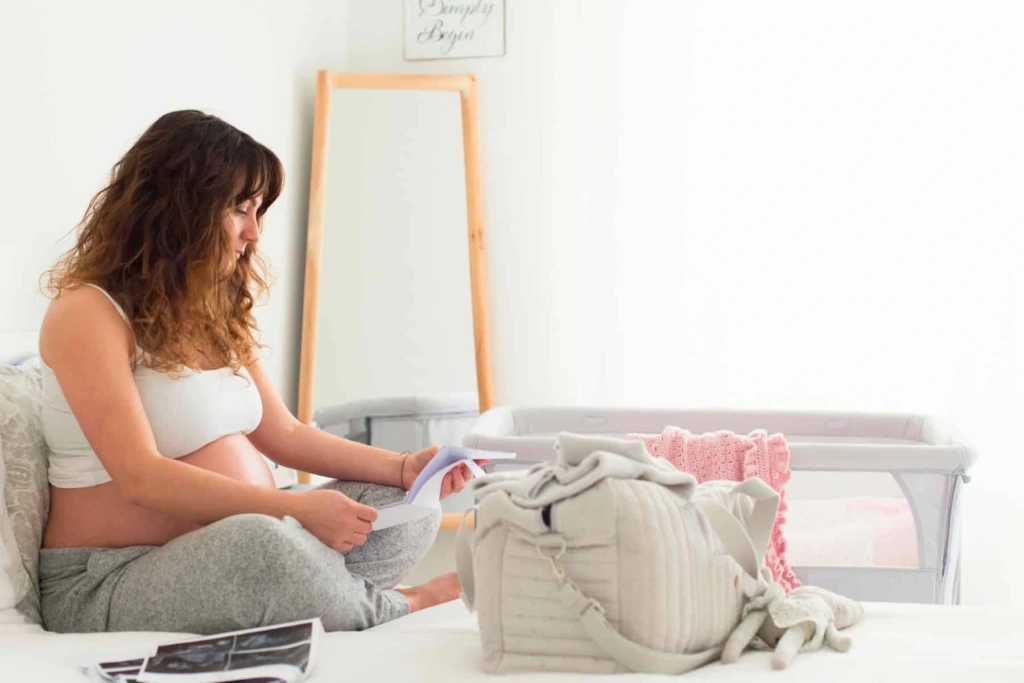
A hospital bag for a summer C-section doesn’t need to be enormous. The goal is to bring practical items that make your hospital stay more comfortable while allowing enough room for everything you’ll need after delivery.
You’ll likely spend several days recovering, depending on your hospital’s policies and how you’re feeling.
Your must-haves:
- Breathable slippers or flip-flops: Choose comfortable footwear that’s easy to put on and remove. Non-slip soles are particularly useful when walking around hospital floors.
- Lightweight robe: A cotton or other breathable robe makes moving around easier and provides convenient coverage when visitors arrive.
- Loose nursing clothes: Pack button-front nightwear or nursing-friendly tops if you plan to breastfeed.
- Personal hygiene supplies: Bring your toothbrush, deodorant, face wash, moisturizer, and other everyday toiletries. Fragrance-free products may be more comfortable if your skin feels sensitive.
- Cooling face wipes: These can help you freshen up between showers, especially if the hospital room feels warm.
- Hair accessories: Hair ties, clips, and headbands are useful for keeping your hair away from your face during recovery.
- Your preferred pillow: A familiar pillow can make resting more comfortable. Use a clearly identifiable pillowcase so hospital staff can distinguish it from hospital bedding.
- Phone charger: A longer charging cable can be convenient when electrical outlets aren’t close to your bed.
- Comfortable underwear: Ask your hospital what postpartum underwear they provide. If bringing your own, choose soft, breathable styles that sit comfortably above your incision.
Extra tip: Arrange for your support person to bring an approved snack or refreshing drink when you’re allowed to eat and drink normally. Follow your hospital team’s instructions about food and fluids after surgery, especially before the procedure.
🏊 3. What to Wear Home from the Hospital

Your journey home after a C-section should be comfortable, not a fashion challenge. Your abdomen will still be healing, and even gentle pressure around the incision may feel unpleasant.
Summer clothing should be lightweight, loose, and easy to put on without excessive bending or stretching.
Best outfit choices:
- Loose maxi dress: A soft, flowing dress is an excellent option because it doesn’t have a waistband pressing against your abdomen.
- Nursing-friendly sundress: If you’re breastfeeding, choose a design with buttons, a wrap front, or convenient nursing access.
- Oversized T-shirt and soft shorts: Lightweight shorts with a high, comfortable waistband can work well if they don’t touch or irritate your incision.
- Slip-on sandals: Choose supportive footwear that doesn’t require you to bend down to tie laces or adjust complicated straps.
- Breathable sneakers: If you prefer closed shoes, select lightweight sneakers that are easy to put on.
- Light cardigan or wrap: Hospital air conditioning and car ventilation can sometimes feel cold, so having an extra layer is useful.
Extra tip: Try your planned outfit before delivery. Sit down, stand up, and check whether the fabric or waistband presses against your incision. Remember that comfort matters much more than how the outfit looks in your hospital photos.
🫎️ 4. Postpartum Recovery Must-Haves (That Won’t Make You Overheat)
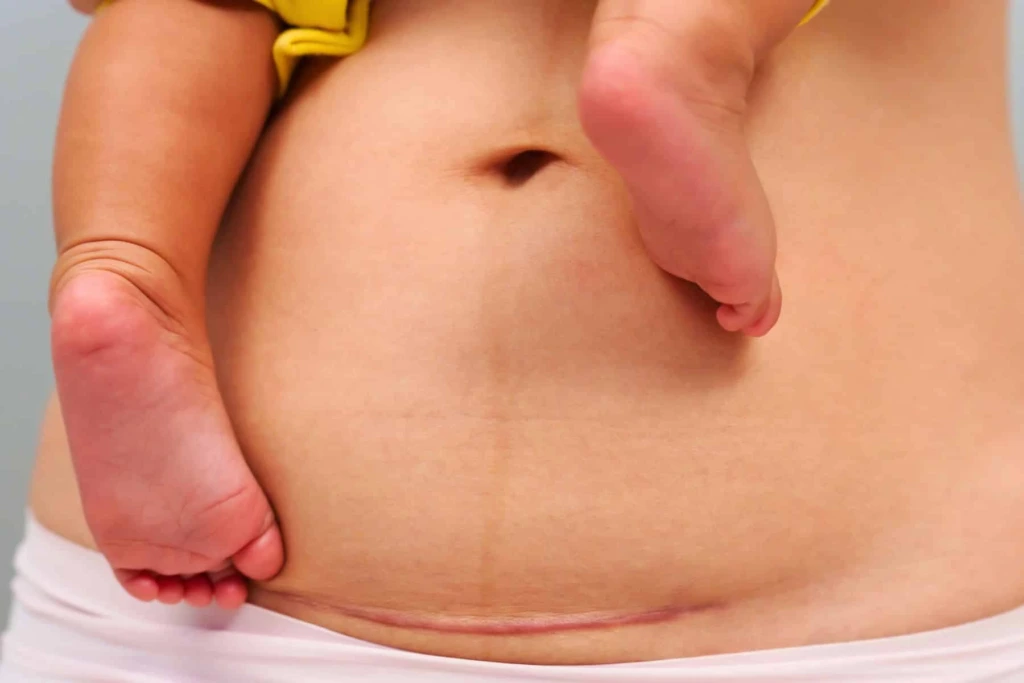
Recovering from a C-section involves more than simply getting enough sleep. Your body is healing from major abdominal surgery while adjusting to postpartum hormonal changes and the demands of caring for a newborn.
Summer temperatures can make sweating and general discomfort more noticeable. Having the right recovery supplies nearby can make daily routines easier.
Add these to your recovery kit:
- Breathable high-waisted underwear: Soft cotton underwear or comfortable disposable postpartum underwear can help prevent unnecessary friction around your incision. Make sure the waistband sits above the surgical area.
- Postpartum pads: Vaginal bleeding is normal after a C-section. Keep a supply of comfortable maternity pads and change them regularly according to your needs.
- Abdominal support binder: Some women find a postoperative abdominal binder helpful when moving, coughing, or walking. However, ask your surgeon whether you should use one and how tightly it should fit.
- Gentle hygiene supplies: Keep clean towels, mild soap, and fresh underwear available. Follow your discharge instructions for washing and drying the incision.
- Comfortable nursing tops: Lightweight nursing tanks and loose cotton shirts can make breastfeeding easier without adding unnecessary layers.
- A small bedside fan: A portable fan can improve airflow around your resting area. Position it safely and avoid directing strong airflow at your newborn.
- Cold compresses: Wrapped cold packs may help with general swelling or discomfort in areas away from your surgical wound. Ask your healthcare provider before applying anything near the incision.
- A supportive nursing pillow: This can help you position your baby comfortably while reducing pressure on your abdomen.
Important incision-care reminder: Keep your surgical wound clean and dry, following your surgeon’s instructions. Avoid applying aloe vera, powders, scented sprays, creams, or homemade remedies directly to the incision unless your healthcare provider approves them.
Contact your medical team if you notice increasing redness, warmth, swelling, worsening pain, pus, an unpleasant smell, or the incision opening. Fever or feeling increasingly unwell also deserves prompt medical attention.
👶 5. Keeping Baby Cool, Too
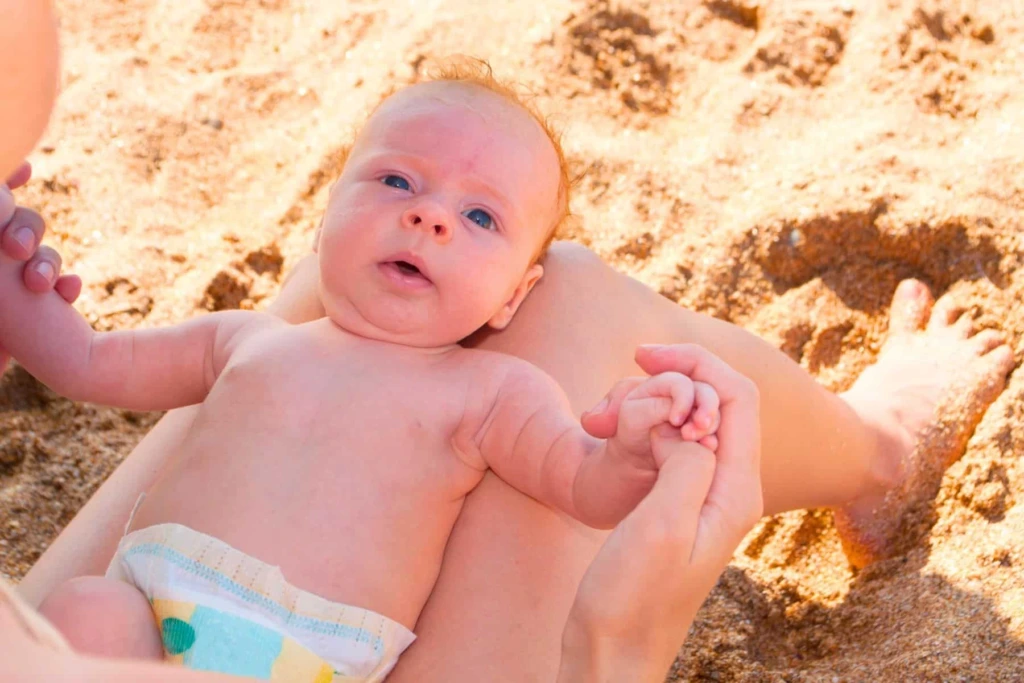
Newborns need extra attention during hot weather because their bodies cannot regulate temperature as effectively as adults. Dressing your baby appropriately and keeping the nursery comfortable can help reduce the risk of overheating.
You don’t need complicated cooling equipment. A few simple precautions can make a difference.
Simple ways to keep baby chill:
- Choose lightweight fabrics: Dress your newborn in breathable cotton or muslin clothing. Avoid unnecessary heavy layers, fleece, and thick blankets when temperatures are high.
- Check your baby’s temperature: Feel the back of your baby’s neck or chest to see whether they seem too warm. Sweating, flushed skin, and a hot chest can indicate overheating.
- Avoid excessive swaddling: If the room is warm, use fewer layers or an appropriately lightweight swaddle. Stop swaddling once your baby shows signs of trying to roll over.
- Maintain a comfortable room temperature: Use air conditioning or a fan to keep the room pleasant. Make sure the fan is positioned safely and isn’t blowing directly onto your baby.
- Protect against direct sunlight: Keep your newborn out of direct sun, particularly during the hottest part of the day. Use appropriate window shades and a stroller canopy when outdoors.
- Be careful with car seats: Never cover a car seat with a thick blanket to block sunlight or heat. Make sure air can circulate around your baby, and never leave a newborn alone in a parked vehicle.
- Keep feeding regularly: Breastfed babies may want to nurse more frequently during hot weather. Breast milk provides the fluids they need, and young babies generally should not be given plain water unless their healthcare professional specifically advises it.
Extra tip: Breastfeeding during hot weather can make both mother and baby feel warm. Wear lightweight clothing, keep a glass of water nearby, and use a comfortable nursing position that allows airflow between you and your baby.
Also remember that safe sleep remains important in every season. Place your baby on their back in a separate, flat sleep space with a firm mattress and fitted sheet. Keep loose blankets, pillows, and toys out of the sleeping area.
🏠 6. Set Up Your Summer Recovery Space

After returning home from the hospital, you’ll probably spend considerable time resting in your bedroom or living room. Instead of repeatedly getting up to find supplies, create a dedicated recovery area before your delivery.
A well-organized space can reduce unnecessary movement, make feeding more convenient, and help you concentrate on healing.
What to include:
- A portable fan or air conditioner: Maintain comfortable airflow without making the room excessively cold.
- A bedside water bottle: Keep drinking water within easy reach so you don’t have to get up every time you’re thirsty.
- Healthy snacks: Stock easy-to-eat options such as fruit, yogurt, nuts, crackers, and other foods suitable for your dietary needs.
- A baby essentials basket: Keep diapers, wipes, clean clothes, burp cloths, and other frequently used baby supplies together.
- A comfortable nursing pillow: Use it to support your arms and baby during feeding while helping avoid pressure on your abdomen.
- Extra pillows: A pillow behind your back or beneath your knees may make resting more comfortable. You can also hold a pillow gently against your abdomen when coughing or changing positions if your medical team recommends it.
- A phone charging station: Keep your charger, phone, and important contact numbers nearby.
- Breathable bedding: Lightweight sheets can help reduce discomfort caused by warm nights and postpartum sweating.
- A laundry basket: Position it nearby so used clothing and towels can be collected without unnecessary trips around the house.
Extra tip: Keep your recovery area organized but avoid overcrowding it. You should have enough room to move safely, stand up, and walk when needed. Gentle movement is generally encouraged after a C-section because it supports recovery and reduces the risk of blood clots. Follow your healthcare team’s mobility instructions.
🌄 7. Summer Logistics for a Smooth C-Section Recovery
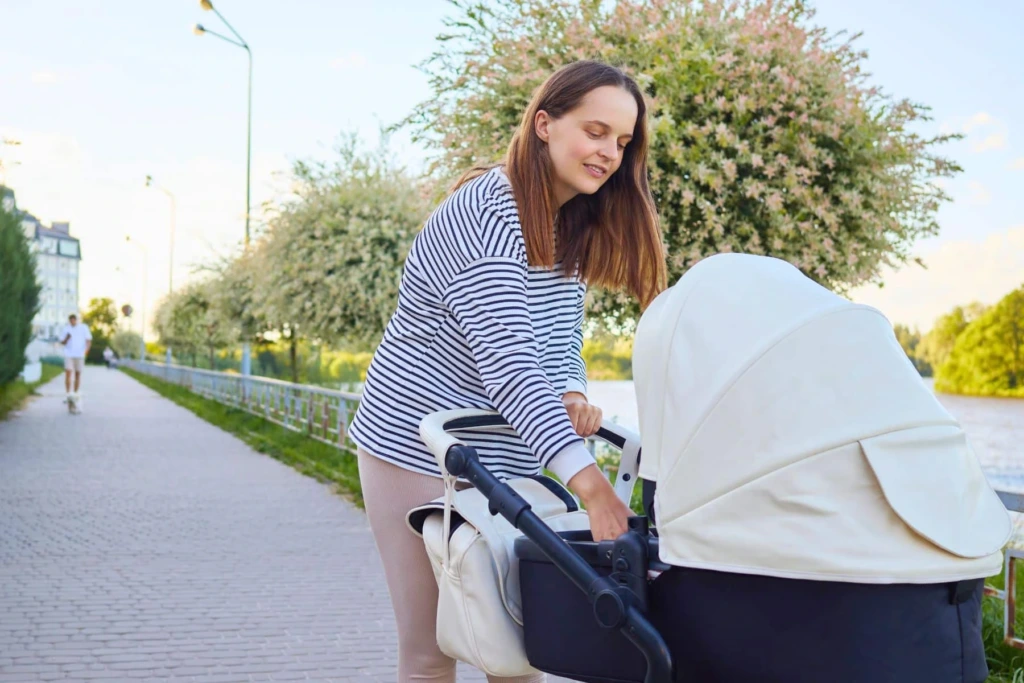
The first few weeks after a C-section can be physically demanding. Add high temperatures, newborn appointments, and household responsibilities, and even simple errands can become exhausting.
Planning everyday tasks before your delivery gives you more opportunities to rest and recover.
Plan ahead where you can:
- Arrange grocery delivery: Order groceries online or ask someone to shop for you. This saves you from walking through crowded stores in hot weather.
- Prepare meals in advance: Freeze a few easy meals before your scheduled delivery. Choose nutritious options that can be reheated without much preparation.
- Organize childcare for older children: If you have other children, arrange help with school runs, activities, and everyday routines. This can give you more time to rest.
- Ask family and friends for practical support: Someone can help with laundry, cooking, cleaning, or picking up supplies. Specific requests are often easier for people to respond to than general offers of help.
- Limit visitors: You don’t need to entertain guests while recovering from surgery. Arrange short visits at convenient times and allow yourself to postpone visits when you feel tired.
- Schedule appointments carefully: Plan newborn checkups and postpartum appointments with the weather in mind. Keep the car cool before placing your baby inside and avoid leaving the vehicle unattended.
- Avoid unnecessary outdoor activities: You can enjoy summer celebrations later. During early recovery, prioritize rest and avoid activities that involve prolonged standing, heavy lifting, or excessive heat exposure.
- Arrange transportation: Make sure someone can drive you home from the hospital and help with necessary appointments during the first few weeks.
Extra tip: Prepare a small outing bag containing diapers, wipes, a spare baby outfit, water for yourself, and a lightweight cooling cloth. Keep your baby’s car seat correctly installed and never place additional padding or accessories inside it unless approved by the manufacturer.
Most importantly, listen to your body. If an activity increases your pain, causes dizziness, or leaves you unusually exhausted, stop and seek medical advice when necessary.
🌺 8. Can You Go Swimming After a C-Section?
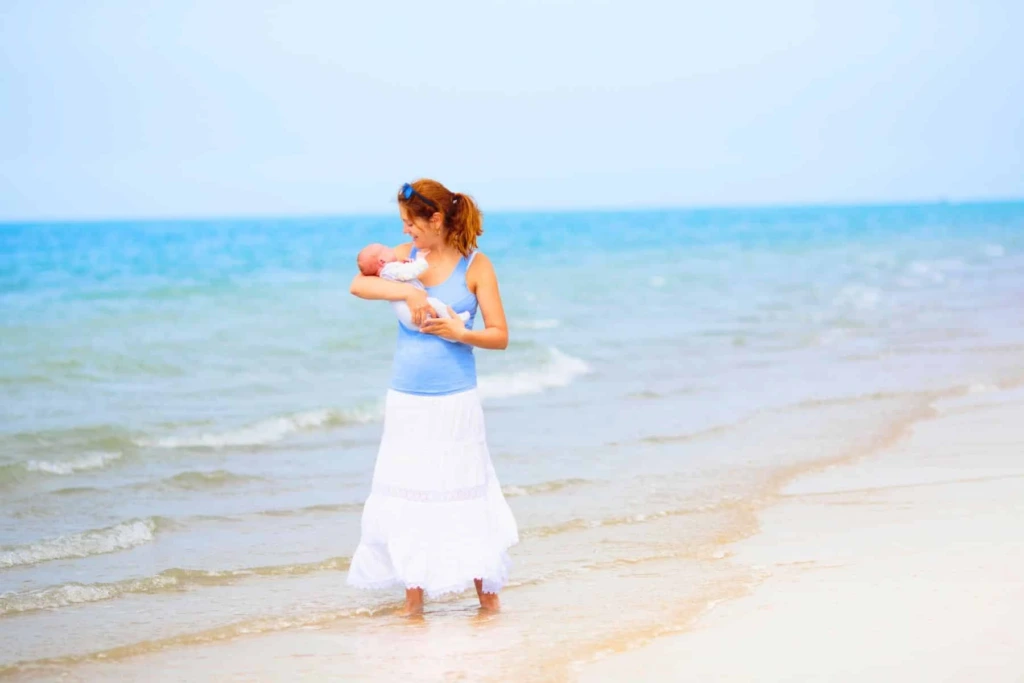
When the summer heat becomes overwhelming, spending time in a swimming pool may sound like the perfect way to relax. Swimming is also a gentle form of exercise that many women enjoy once they’ve recovered from childbirth.
However, a C-section is major surgery, and your incision needs enough time to heal before you submerge your body in a pool, lake, or hot tub.
In general, you should avoid swimming until your surgical incision has healed, postpartum bleeding has stopped, and your healthcare provider has confirmed that it’s safe. This commonly takes around six weeks, although recovery timelines vary.
Entering a swimming pool too early can expose an incompletely healed wound to infection and interfere with the healing process.
Before returning to swimming:
- Attend your postpartum follow-up appointment.
- Make sure your incision is fully closed and healing properly.
- Check that you have stopped experiencing postpartum bleeding.
- Get clearance from your surgeon or healthcare provider.
- Start with gentle swimming rather than strenuous exercise.
- Stop if you experience pain, pulling, or discomfort around your incision.
Once you’ve been cleared, swimming can be a pleasant way to gradually return to physical activity. Start slowly, avoid pushing yourself, and follow any exercise restrictions your healthcare provider has given you.
You can also choose comfortable swimwear that doesn’t rub against your scar. If your incision is still sensitive, avoid anything that creates pressure or friction around the area.
Remember that getting into the water should never be based on the calendar alone. Your individual healing progress matters more than reaching a particular number of weeks.
❤️ Final Thoughts

Preparing for a summer C-section may require a little extra organization, but you can make the experience much more comfortable by planning ahead.
Start with a cool and organized recovery space, pack lightweight clothing, gather your postpartum essentials, and arrange practical help before your baby arrives. Pay attention to your hydration, protect your incision, and take sensible precautions to keep your newborn comfortable in warm weather.
Most importantly, give yourself permission to slow down. You don’t need to manage every household responsibility, welcome every visitor, or return to your usual routine immediately.
Your body has been through pregnancy and major surgery. Healing takes time, and every woman’s recovery looks a little different.
Enjoy those early cuddles, accept the help that’s offered, and remember that taking care of yourself is also an important part of taking care of your new baby.