
20+ Best Amazon Products for Post Partum Recovery (4th Trimester)
The first few weeks after giving birth can be a beautiful but physically demanding experience. While much of the preparation for a new baby focuses on diapers, clothes, and nursery essentials, a mother’s recovery deserves just as much attention.
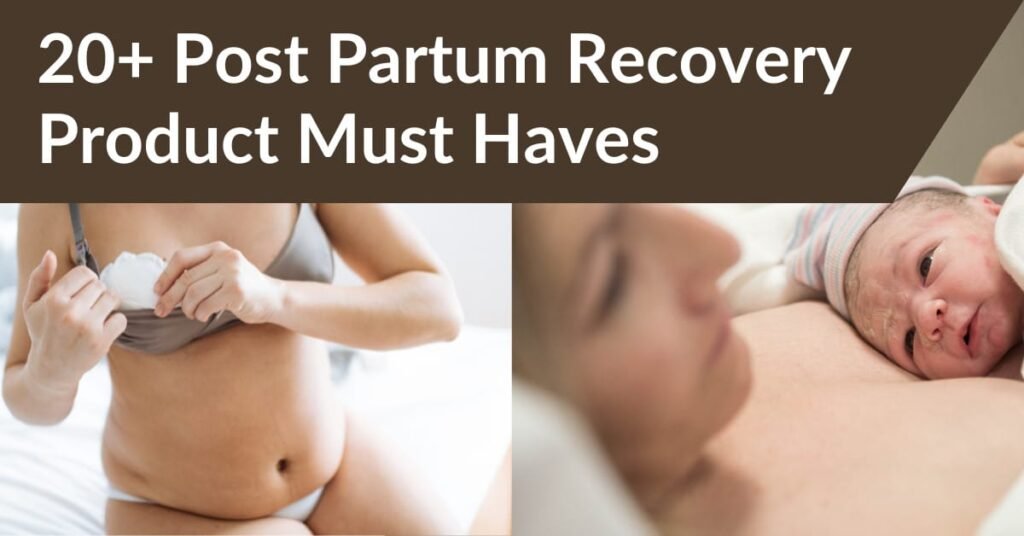
Postpartum recovery involves healing from childbirth, managing hormonal changes, adjusting to feeding routines, and coping with interrupted sleep. Whether you have a vaginal delivery or a C-section, having practical recovery supplies nearby can make everyday activities more comfortable.
The fourth trimester refers to the first three months after childbirth, when both mother and baby are adjusting to life outside pregnancy. During this period, simple products such as a peri bottle, comfortable underwear, nursing supplies, and personal care essentials can help reduce unnecessary discomfort.
Amazon offers a wide selection of postpartum recovery products, making it convenient to prepare a recovery basket before your due date. However, not every product is necessary for every mother. Your delivery experience, feeding preferences, and healthcare provider’s recommendations should guide your choices.
This guide explores 20 useful postpartum recovery products, explains their benefits, and offers practical tips for choosing the right essentials.
20+ Best Products for Post Partum Recovery
Preparing for postpartum recovery before your baby arrives can make the transition home much easier. Keeping essential supplies in your bathroom, bedroom, or nursing station means you won’t have to search for items while recovering.
Some products support physical healing, while others improve comfort during breastfeeding, resting, and daily routines. The following postpartum essentials are worth considering when building your fourth-trimester recovery kit.
1. Peri Bottle
A peri bottle is one of the most practical postpartum recovery essentials, especially after a vaginal delivery. It allows you to gently rinse your perineal area with water instead of relying entirely on toilet paper.
After childbirth, the vaginal area may feel swollen, tender, or sensitive due to stretching, stitches, or minor tears. A peri bottle helps clean the area without excessive wiping, which can cause additional discomfort.
Angled peri bottles are particularly convenient because their nozzles make it easier to direct water while sitting on the toilet.
Fill the bottle with comfortably warm water and gently rinse the area during or after urination. Follow your healthcare provider’s instructions for keeping stitches and surrounding skin clean.
When choosing a peri bottle, look for a soft, squeezable design with an easy-to-clean nozzle and sufficient capacity.
2. High Fiber Snacks
Constipation is a common concern after childbirth. Hormonal changes, reduced physical activity, dehydration, certain medications, and fear of discomfort during bowel movements can all contribute to digestive difficulties.
Keeping high-fiber snacks available can help support regular bowel movements and reduce unnecessary straining.
Convenient options include oatmeal, whole-grain crackers, dried prunes, pears, nuts, and fiber-rich snack bars. Fresh fruit and vegetables also provide valuable nutrients during recovery.
A small basket of healthy snacks beside your bed or nursing chair can be especially helpful when you’re hungry during late-night feeding sessions.
Increase fiber gradually and drink adequate fluids, since suddenly adding large amounts of fiber without enough water can worsen bloating or constipation.
3. Comfortable Nursing Bras
Breast changes after delivery can make ordinary bras uncomfortable. During the early postpartum weeks, breasts may become fuller, heavier, or more sensitive as milk production begins.
A comfortable nursing bra provides gentle support while allowing convenient access for feeding or pumping.
Soft, wireless nursing bras are often preferable during early recovery because they avoid unnecessary pressure on tender breast tissue.
Look for breathable fabric, adjustable straps, flexible sizing, and easy-to-open nursing clips. Stretchy sleep bras can also be useful for nighttime feeding.
Avoid bras that feel excessively tight or leave deep marks on your skin. A properly fitted bra should provide support without compressing the breasts.
Even mothers who choose not to breastfeed may appreciate soft, supportive bras while their bodies adjust after childbirth.
4. Abdominal Wrap
An abdominal wrap, sometimes called a postpartum belly binder, provides gentle support around the midsection after delivery.
Some mothers find abdominal support particularly helpful after a C-section because it can make certain movements feel more comfortable while the incision heals.
A well-designed wrap should be adjustable, breathable, and easy to remove. It should provide light support without restricting breathing or creating uncomfortable pressure.
Postpartum abdominal wraps do not permanently shrink the waist, repair separated abdominal muscles, or replace pelvic floor rehabilitation.
If you have undergone a C-section, ask your healthcare provider when it is appropriate to begin using a binder. Avoid placing excessive pressure directly over a painful incision.
Choose comfort and proper fit rather than strong compression.
5. Xtra Large Maxi Pads
Postpartum vaginal bleeding, known as lochia, occurs as the uterus sheds blood and tissue after childbirth. It happens after both vaginal births and C-sections.
Bleeding is generally heavier during the first several days and gradually becomes lighter over the following weeks.
Extra-large maternity pads or overnight maxi pads provide greater coverage and absorbency during this period.
Look for soft, unscented pads with a wide back, breathable material, and reliable leak protection. Individually wrapped pads are also convenient for keeping in a bathroom basket or hospital bag.
Change pads regularly to maintain hygiene and monitor bleeding.
Tampons and menstrual cups are generally avoided during early postpartum recovery until a healthcare professional confirms that internal menstrual products are safe to use.
Seek urgent medical care if you soak through a pad in an hour, pass unusually large clots, feel faint, or experience heavy bleeding that concerns you.
6. Nipple Cream
Breastfeeding can sometimes cause nipple tenderness, particularly while a mother and baby are learning to achieve a comfortable latch.
Nipple cream may help moisturize dry skin and reduce friction-related discomfort.
Common options include purified lanolin creams and plant-based nipple balms formulated for breastfeeding.
Choose a product specifically labeled for nursing mothers, and follow its directions regarding whether it needs to be removed before feeding.
Apply a small amount to clean skin when needed rather than using excessive quantities.
Persistent nipple pain, cracking, or bleeding should not be ignored. These symptoms can indicate latch difficulties, pumping-related irritation, or other conditions that require assessment.
A lactation consultant can help identify the underlying problem rather than relying on cream alone.
7. Stool Softener
The first bowel movement after delivery can feel intimidating, especially if you have stitches, hemorrhoids, or abdominal soreness.
Constipation can also become more troublesome when taking certain postpartum pain medications or iron supplements.
A stool softener may make bowel movements easier by helping stool retain moisture. Docusate is one example commonly discussed in postpartum care, although its effectiveness varies.
Some mothers may need a different type of constipation treatment, depending on their symptoms and medical history.
Before using a stool softener or laxative, check with your healthcare provider or pharmacist, particularly if you’re breastfeeding or taking other medications.
Adequate hydration, fiber-rich foods, gentle movement, and avoiding excessive straining can also support bowel regularity.
Seek medical advice if constipation is severe, persistent, or accompanied by significant abdominal pain or vomiting.
8. Comfortable Clothing
Comfortable clothing can make a noticeable difference during the first weeks after delivery.
Your body needs time to recover, and tight waistbands, stiff fabrics, and restrictive outfits may feel uncomfortable.
Loose pajamas, soft cotton dresses, stretchy leggings, and oversized shirts are practical choices for postpartum life.
For mothers recovering from a C-section, high-waisted pants or loose nightgowns may help prevent friction against the incision.
If breastfeeding, consider clothing with button fronts, wrap designs, or nursing access. These features make feeding more convenient without requiring complicated outfit changes.
Breathable fabrics are especially helpful because postpartum hormonal shifts can cause increased sweating, including during the night.
Choose clothing that allows you to rest, move comfortably, and care for your baby without unnecessary pressure on healing areas.
9. Nursing Pads
Breast milk leakage is common during the early breastfeeding weeks, although the amount varies significantly between mothers.
Nursing pads sit inside the bra and absorb leaking milk, helping keep clothing dry.
Disposable nursing pads are convenient for travel and busy days, while washable pads can be a reusable option for regular use.
When shopping, look for soft materials, good absorbency, and a shape that fits comfortably inside your bra.
Change nursing pads whenever they become damp. Leaving wet pads against the skin for long periods may contribute to irritation.
Some mothers experience frequent leakage, while others rarely need nursing pads. Purchasing a small pack initially can help you determine whether they’re useful for your routine.
10. Sitz Bath
A sitz bath involves soaking the perineal area in shallow, comfortably warm water.
It may help relieve discomfort associated with postpartum swelling, hemorrhoids, and minor perineal soreness.
A portable sitz bath basin fits over many standard toilet seats, making it a convenient alternative to filling a bathtub.
Use clean, warm water and follow your healthcare provider’s recommendations regarding when to begin and how long to soak.
Plain water is generally sufficient. Avoid adding essential oils, fragrances, or other substances unless your healthcare provider specifically recommends them.
After soaking, gently pat the area dry with a clean towel rather than rubbing sensitive skin.
If you have stitches, significant tears, or signs of infection, obtain personalized advice before using a sitz bath.
11. Arica Tablets
Arnica tablets, sometimes marketed as Arica tablets, are frequently promoted for bruising, swelling, and discomfort.
However, oral arnica requires particular caution during postpartum recovery.
There is insufficient reliable evidence that homeopathic arnica tablets improve healing after childbirth. Homeopathic products may contain highly diluted ingredients, and their quality and composition can vary.
Non-homeopathic oral arnica can be toxic and should not be taken without medical supervision. Safety information for arnica products during breastfeeding is also limited.
If you’re considering these tablets, discuss the exact formulation with your healthcare provider before use.
For postpartum swelling and discomfort, treatments recommended by your maternity care team are more appropriate than relying on an unproven supplement.
12. Water Bottle
Staying hydrated is important during postpartum recovery, particularly when breastfeeding.
Caring for a newborn can make it surprisingly easy to forget to drink water throughout the day.
A large, reusable water bottle helps keep fluids within reach while resting, nursing, or pumping.
Look for a leak-resistant bottle with a straw, comfortable handle, and easy-to-clean design. An insulated bottle can also keep water cool for longer periods.
Place one near your bed and another beside your preferred feeding chair.
There is no need to force excessive amounts of water. Drinking regularly and responding to thirst is generally a practical approach, with additional fluids as needed during hot weather or increased activity.
Water, milk, and other suitable beverages can contribute to daily fluid intake.
13. Lactation Cookies
Lactation cookies are marketed as snacks that may support breast milk production.
They often contain ingredients such as oats, flaxseed, brewer’s yeast, and other nutrient-rich foods.
Although these ingredients can contribute fiber, calories, and certain nutrients, there is limited scientific evidence that lactation cookies reliably increase milk supply.
Still, they can be a convenient snack for breastfeeding mothers who need quick food options during busy days.
Choose products with ingredients you tolerate well, and check labels for allergens and added sugar.
If you’re concerned about low milk production, a lactation consultant can assess feeding frequency, milk transfer, pumping practices, and your baby’s growth.
Adequate milk removal and effective feeding management are more important than any particular cookie or supplement.
14. Hemorrhoid Cream
Hemorrhoids can develop during pregnancy or after childbirth due to increased pressure on pelvic blood vessels, constipation, and straining.
They may cause itching, swelling, discomfort, or pain around the anus.
Certain over-the-counter hemorrhoid creams can provide temporary symptom relief. Some contain soothing protectants, while others include local anesthetics or hydrocortisone.
Because ingredients differ, ask your healthcare provider or pharmacist which option is appropriate during postpartum recovery and breastfeeding.
Use medicated products only as directed, particularly those containing steroids.
Additional comfort measures include preventing constipation, avoiding prolonged straining, and using warm sitz baths.
Seek medical evaluation if you experience severe pain, substantial rectal bleeding, or symptoms that do not improve.
15. Epsom Salts
Epsom salts contain magnesium sulfate and are commonly added to bathwater for relaxation.
Some mothers enjoy a warm bath as part of their postpartum self-care routine because it provides an opportunity to rest and unwind.
However, there is limited evidence that Epsom salt baths specifically accelerate postpartum healing or reduce inflammation.
If your healthcare provider has approved bathing, use a comfortable water temperature and avoid overly concentrated mixtures.
Plain warm water is often sufficient for gentle soaking, particularly when recovering from perineal tears or stitches.
After a C-section, follow your surgical team’s instructions about when soaking in a bathtub is safe. Showering may be permitted earlier than immersion.
Avoid using Epsom salts on open wounds or taking them orally unless specifically directed by a healthcare professional.
16. Heating Pad
A heating pad can be a useful comfort item for postpartum muscle tension and certain types of cramping.
After childbirth, the uterus contracts as it returns toward its pre-pregnancy size. These contractions, sometimes called afterpains, can be more noticeable during breastfeeding.
Gentle warmth may help ease mild cramping or soreness in the lower back.
Choose a heating pad with adjustable temperature settings, a soft cover, and an automatic shutoff feature.
Use low or moderate heat for short periods, with a layer of fabric between the pad and your skin.
Never fall asleep while using an electric heating pad, and avoid applying direct heat to a C-section incision or areas with reduced sensation.
Persistent, severe, or worsening abdominal pain requires medical evaluation rather than repeated heat treatment.
17. Dermoplast
Dermoplast is a topical spray available in different formulations, including products marketed for pain relief.
Some postpartum care routines include an appropriate benzocaine-containing spray for temporary relief of external perineal discomfort.
However, not every Dermoplast product is intended for the same use. Check the exact formulation and product label before purchasing.
Ask your healthcare provider whether a topical anesthetic spray is appropriate for your situation, especially if you have stitches, damaged skin, allergies, or are breastfeeding.
Follow application instructions carefully, and avoid spraying near the baby’s face or onto breast tissue.
Topical sprays may provide temporary relief, but they do not replace proper wound care or assessment of increasing pain.
If discomfort becomes worse rather than gradually improving, contact your maternity care provider.
18. Nursing Pillow
A nursing pillow supports your baby during feeding and may help reduce strain on your arms, shoulders, and back.
During the newborn stage, feeding sessions can be frequent and lengthy. Maintaining a comfortable position can make these sessions easier.
C-shaped and adjustable nursing pillows are popular options, but the best design depends on your body size, seating arrangement, and preferred feeding positions.
For mothers recovering from a C-section, a pillow may help position the baby without placing unnecessary pressure on the abdomen.
Look for firm support, a washable cover, and a shape that feels stable when used correctly.
A nursing pillow can also be useful during bottle-feeding, but it should never be used as a sleep surface.
Always keep your baby supported and supervised while feeding. If your baby falls asleep, move them to a firm, flat, separate sleep surface designed for infants.
19. A Good Book
Postpartum recovery involves more than physical healing. Emotional well-being and opportunities for relaxation also matter.
A good book can provide a welcome mental break during quiet moments, especially when you’re spending long periods resting at home.
Choose something enjoyable rather than a book that makes you feel pressured to achieve more.
Light fiction, short stories, humorous essays, and uplifting memoirs can be convenient options.
Audiobooks are particularly useful for mothers who prefer listening while feeding, resting, or doing simple household tasks.
You might also enjoy a practical parenting book, but remember that no single book can fully predict your baby’s needs or your personal recovery experience.
Even a few minutes of enjoyable reading can create a small moment of personal time.
20. Disposable Underwear
Disposable underwear is a convenient option for managing postpartum bleeding, especially during the first several days after childbirth.
Unlike ordinary underwear paired with a pad, absorbent disposable underwear offers wider coverage and may help reduce leaks during sleep or extended rest.
Some mothers prefer disposable postpartum underwear, while others choose stretchy mesh underwear with maternity pads.
Look for a soft waistband, breathable material, adequate absorbency, and a comfortable fit.
High-waisted styles may be more comfortable after a C-section, provided the waistband does not rub against the incision.
Change disposable underwear regularly, and avoid products that feel tight or trap excessive moisture against sensitive skin.
Because bleeding typically becomes lighter over time, you may only need a limited supply before switching to regular underwear and smaller pads.
Postpartum recovery looks different for every mother. Some women find that basic supplies are enough, while others need additional support depending on their delivery and healing process.
The most useful fourth-trimester products are those that address your actual needs, improve comfort, and make daily care easier. You don’t need to purchase everything on this list to prepare effectively.
Prioritize essentials such as absorbent pads, comfortable clothing, hydration, and appropriate hygiene supplies. Add breastfeeding products, abdominal support, or other comfort items according to your individual circumstances.
Most importantly, remember that recovery takes time. Rest whenever possible, accept practical help, attend postpartum appointments, and contact your healthcare provider about symptoms that concern you. Heavy bleeding, fever, chest pain, breathing difficulties, severe headaches, or thoughts of harming yourself or your baby require prompt medical attention.
With thoughtful preparation, appropriate medical guidance, and realistic expectations, you can make the fourth trimester more manageable while giving yourself the care and attention you deserve.